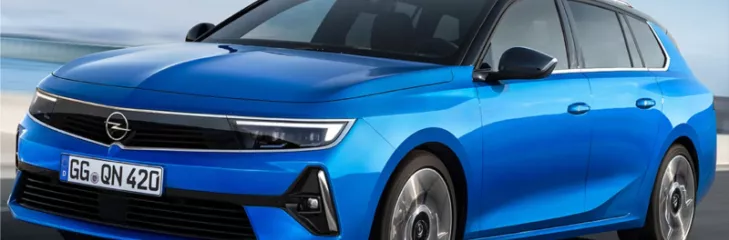


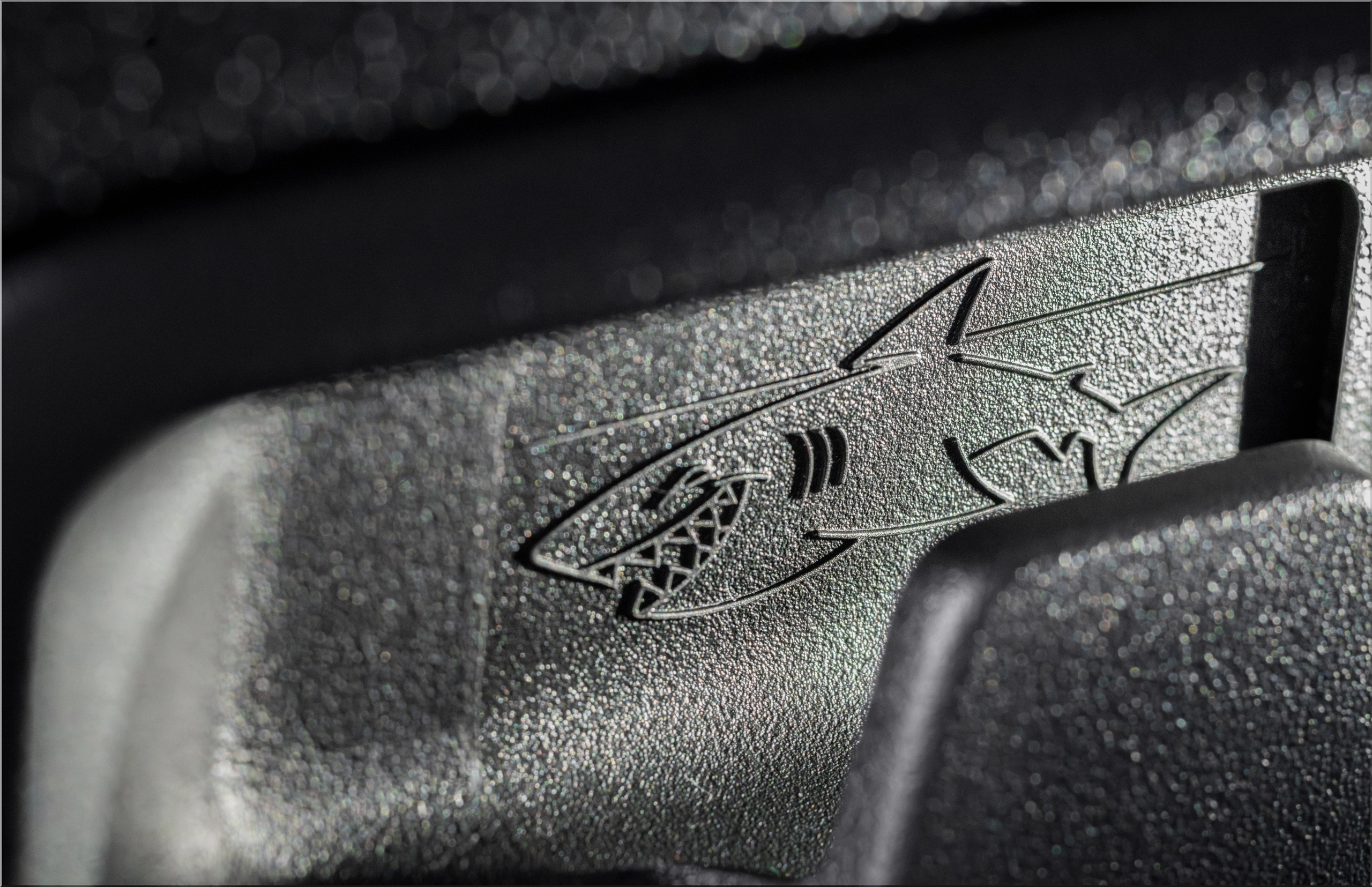
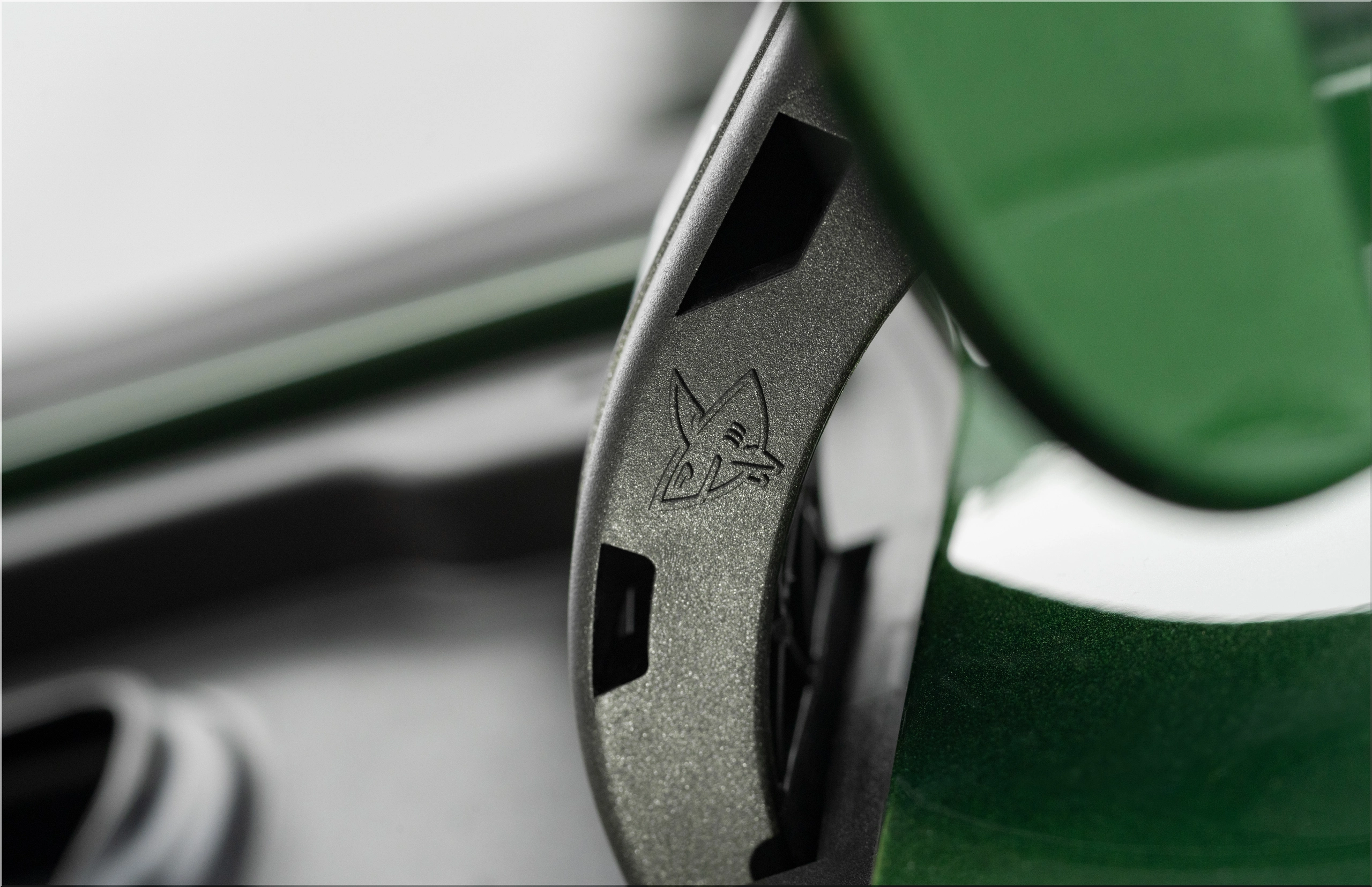
Opel could have rolled out the refreshed 2027 Opel Astra with the usual talk about trim, tech, and efficiency. Instead, it leaned into a detail that says more about the car than a glossy slogan ever could: the Astra hides miniature sharks in the cabin and cargo area. That sounds playful because it is. It also tells you exactly how Opel wants this car judged. The new Astra aims to win on detail work, not noise.
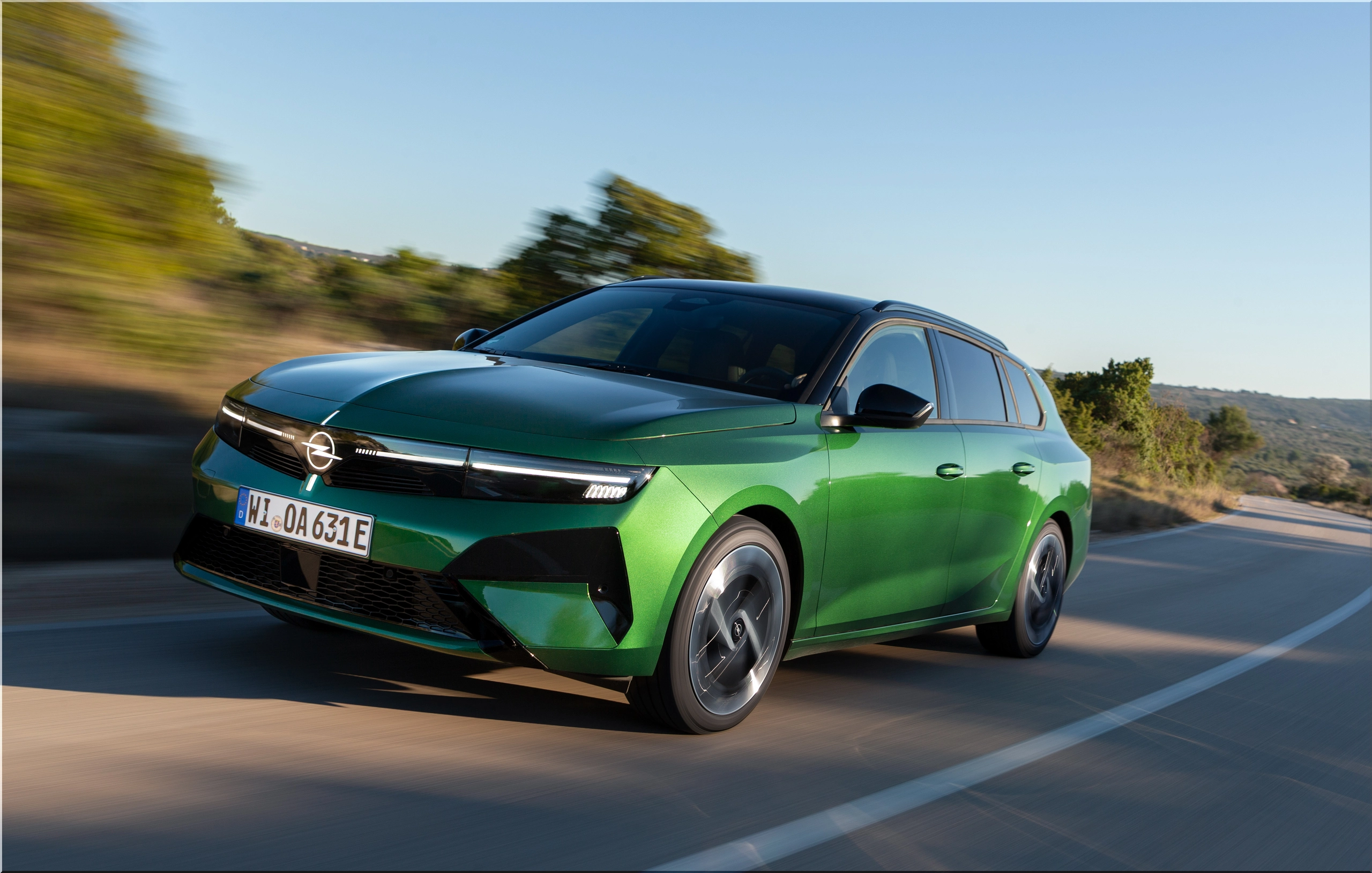
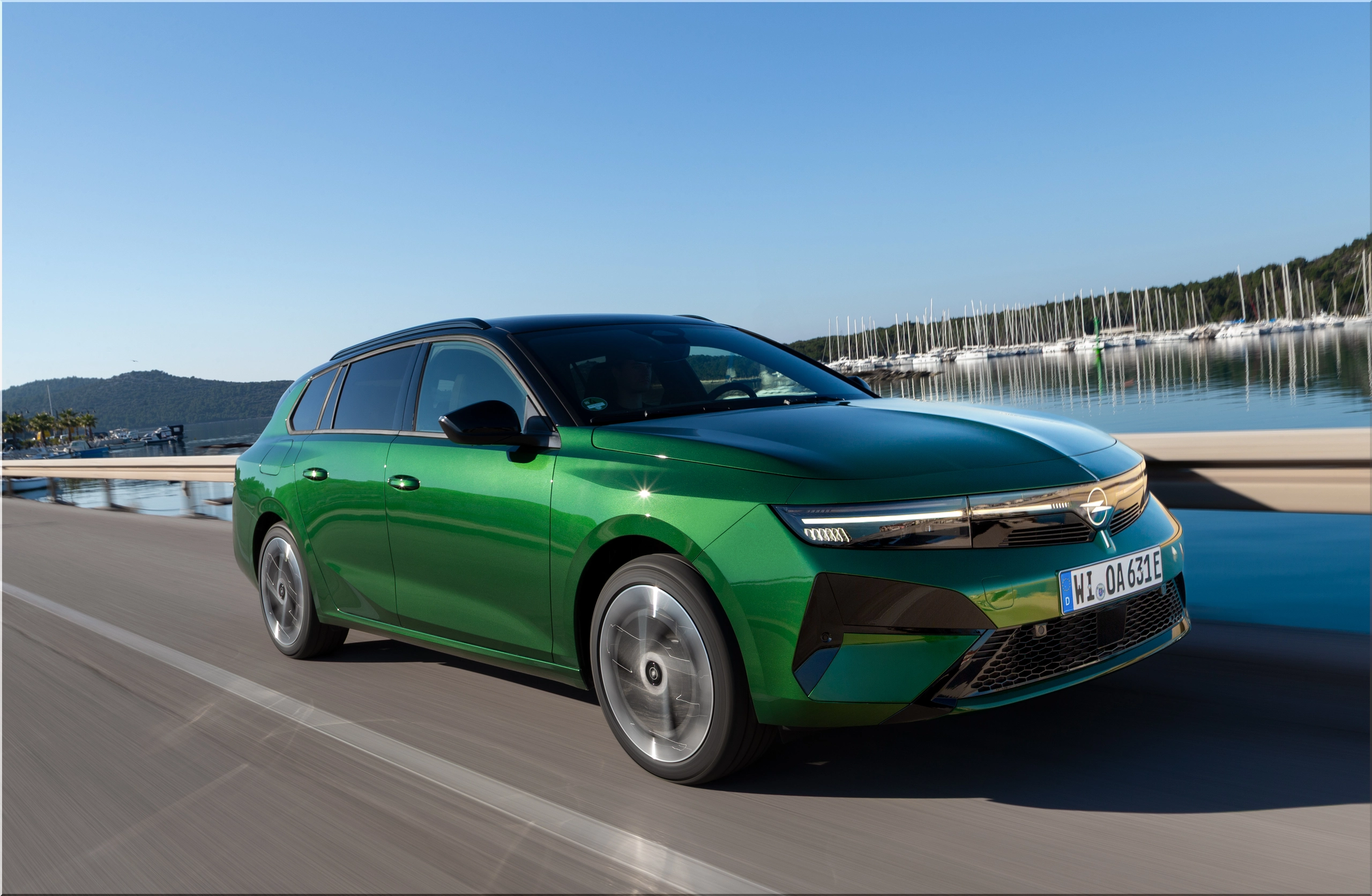
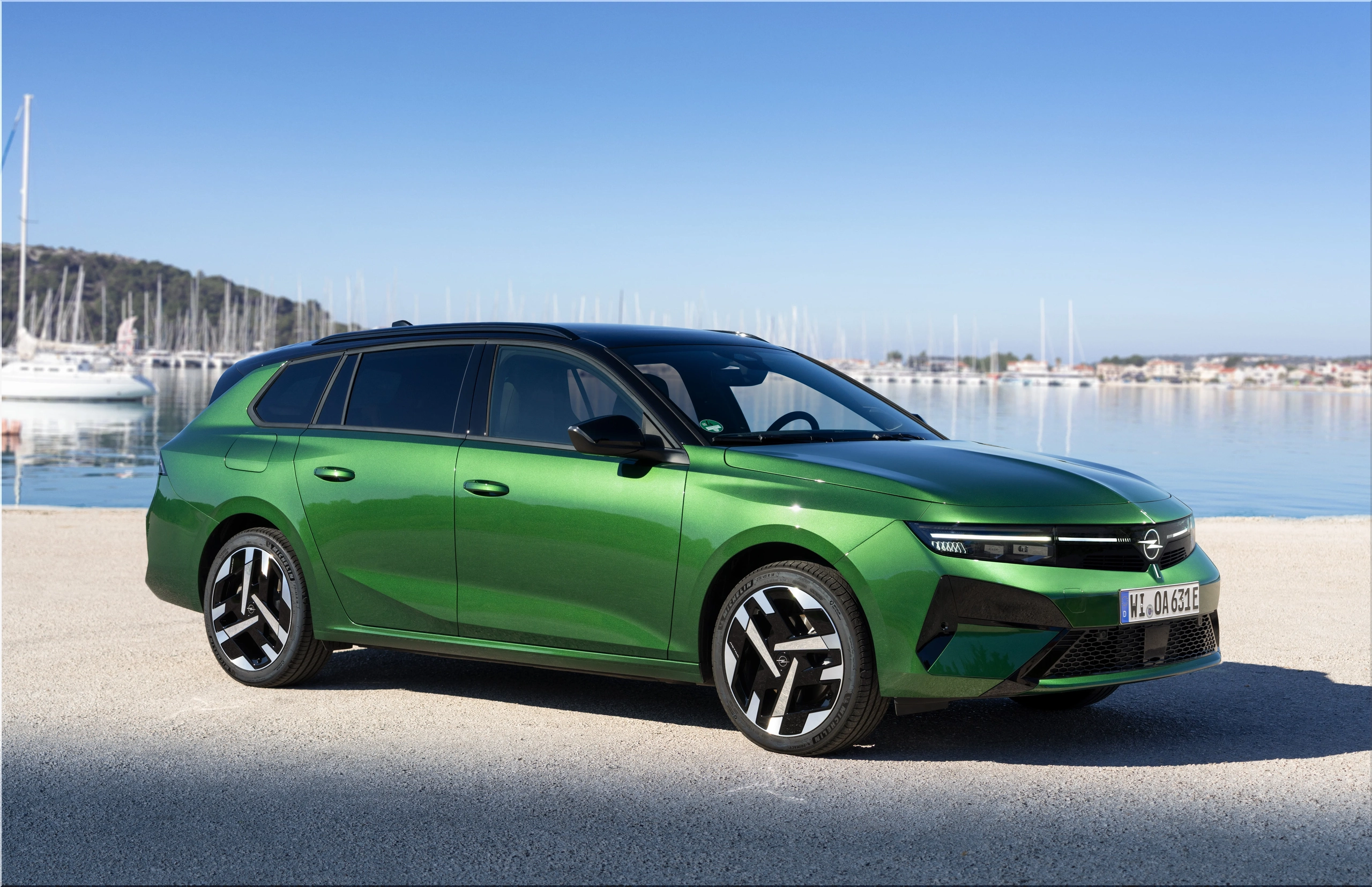
That matters in the compact segment, where buyers still care about the hard stuff. Space. Lighting. seat comfort. powertrain choice. Running costs. Opel attacks each of those points with the updated Astra hatchback and Opel Astra Sports Tourer, then wraps the package in a cleaner front end, an illuminated Blitz emblem, and one of the most advanced headlamp systems now offered in the class.
Why the shark story matters more than it looks
The shark gimmick did not start as a marketing stunt. It started in 2004 when designer Dietmar Finger sketched a structural rib for the Corsa D glovebox, his son saw the shape, and a shark profile made it into production. That small design joke became an Opel ritual, and the Astra carries it forward with new hiding places between the front seats and in the Sports Tourer's load area.
From an expert perspective, this works because the Astra does not use the sharks as a distraction from weak hardware. Opel pairs the Easter egg with real upgrades. The latest Astra gets a narrower Opel Vizor, an illuminated Opel Blitz, upgraded digital graphics, standard Intelli-Seats, and available Intelli-Lux HD headlights with 51,200 light elements. That is not decorative fluff. That is a serious compact-car spec sheet.
The refreshed 2027 Opel Astra focuses on the parts owners use every day
Opel kept the Astra's core shape intact, then concentrated on the interfaces drivers actually touch and live with. That was the right move. Compact cars do not win because a designer pulled one extra crease across the door skin. They win because the cabin feels sorted, the seats stay comfortable after two hours, and the load bay does real work on Monday morning and Saturday afternoon.
Key numbers that define the new Astra
| Data point | Astra Hatchback | Astra Sports Tourer | Why it matters |
|---|---|---|---|
| Length | 4,374 mm / 172.2 in | 4,642 mm / 182.8 in | The estate adds useful load length without jumping into a larger segment |
| Width incl. mirrors | 2,062 mm / 81.2 in | 2,062 mm / 81.2 in | Same road presence, easier family familiarity |
| Height | 1,441-1,470 mm / 56.7-57.9 in | 1,443-1,480 mm / 56.8-58.3 in | Keeps a low, car-like stance |
| Wheelbase | 2,675 mm / 105.3 in | 2,675 mm / 105.3 in | Shared platform geometry keeps handling feel consistent |
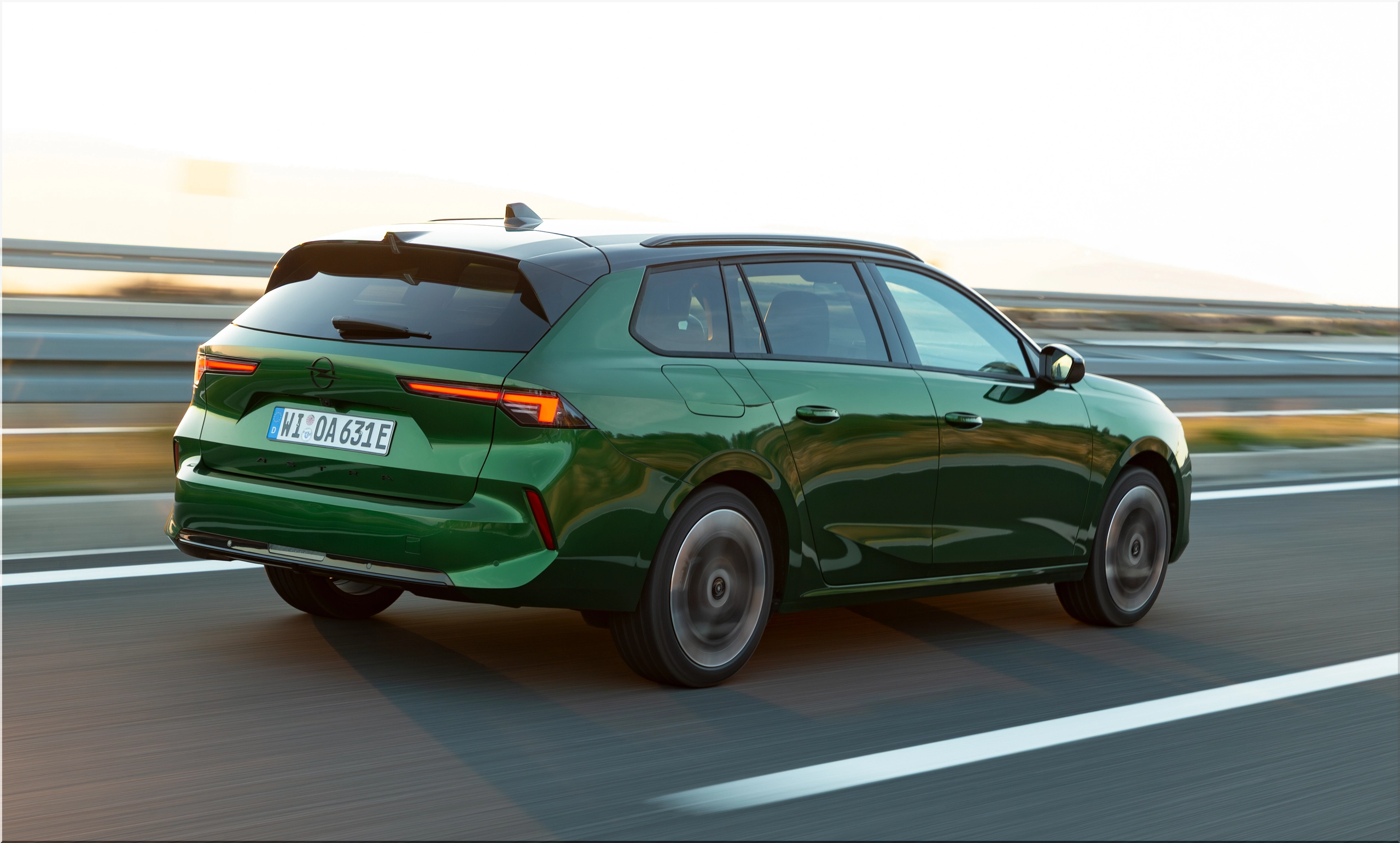
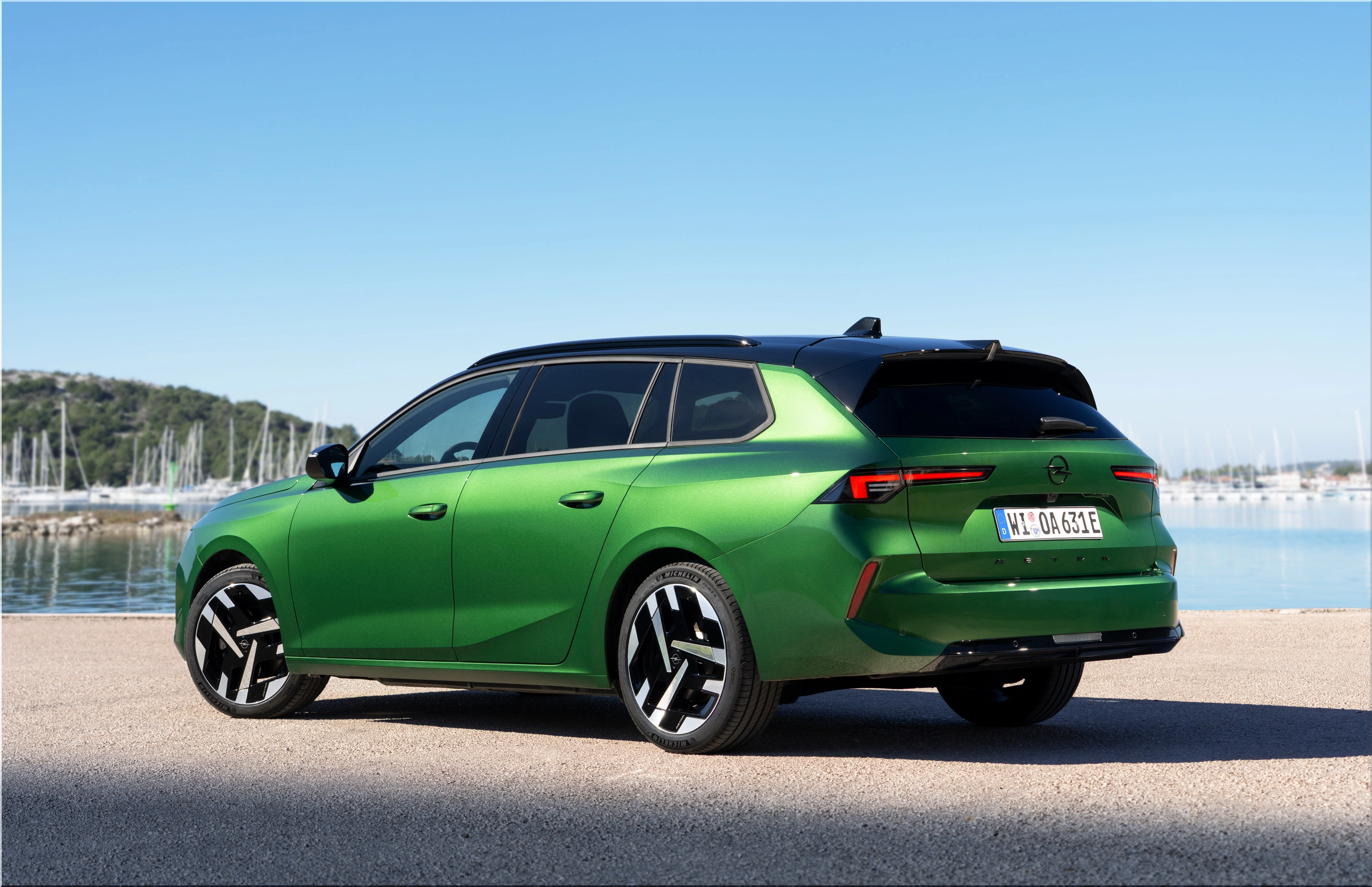
| Boot volume | Up to 1,339 litres | Up to 1,634 litres | The Sports Tourer pushes deep into family-estate territory |
| Electric range | Up to 454 km / 282 mi WLTP | Electric estate offered in range | The EV version now covers longer mixed-use driving with less planning |
Looking at the data, the hatchback stays compact enough for city use while the Astra Sports Tourer steps into proper family-car duty. Opel also keeps the estate practical with a 40:20:40 split rear backrest, which matters far more in real life than another half-inch of screen size.
Intelli-Lux HD gives the Astra real technical weight
This is the headline hardware. Opel's latest Intelli-Lux HD system uses 51,200 light elements, or 25,600 per side. That gives the Astra a lighting package that used to live higher up the market. It can shape the beam with far greater precision, cut around traffic more tightly, guide the beam into corners, and reduce glare from wet roads and reflective signs.
That matters on narrow European roads where the difference between average matrix lights and high-resolution matrix lights shows up fast. At motorway pace, better beam control buys reaction time. On wet B-roads, it cuts fatigue. In town, it keeps the car feeling more expensive than its badge and price band might suggest.
What the Astra's lighting system changes in real use
- It spots obstacles earlier than old-school halogen setups
- It narrows the dark tunnel around oncoming traffic more precisely
- It dims reflections from traffic signs to reduce driver glare
- It adapts in rain and fog instead of blasting a flat wall of light
- It brings premium-class night driving into a compact Opel
Consequently, the Astra no longer plays defense on one of the compact segment's most visible tech battlegrounds. It attacks.
Powertrains: Opel gives buyers the full menu
Opel still treats the Astra like a mainstream European car, not a compliance exercise. Buyers can choose battery-electric, hybrid, plug-in hybrid, or 1.5-litre diesel power, depending on market and body style. That broad spread makes strategic sense in Europe, where charging access, company-car tax rules, motorway mileage, and city restrictions vary hard from one country to the next.
The big talking point sits with the EV. The Astra Electric now uses a 58 kWh battery and produces 156 hp, with a WLTP range of up to 454 km. Opel also adds Vehicle-to-Load, which lets owners power external gear such as e-bikes or other equipment. The hybrid range starts at 145 hp, while the updated plug-in hybrid pushes to 196 hp. Opel also continues to offer a 130 hp diesel, which still makes sense for heavy motorway use.
2027 Opel Astra lineup snapshot
| Version | Output | Fuel or energy use | Best-fit buyer |
|---|---|---|---|
| Astra Electric | 156 hp | 15.3-15.8 kWh/100 km | Urban and suburban drivers who want low running costs |
| Astra Hybrid | 145 hp | 4.9-5.1 l/100 km | Buyers who want electrified efficiency without plugging in |
| Astra Plug-in Hybrid | 196 hp | 12.6-13.0 kWh/100 km plus 2.2-2.3 l/100 km | Company-car users and mixed commuting patterns |
| Astra 1.5 Diesel | 130 hp | 4.9-5.1 l/100 km | Long-distance motorway drivers |
By comparison, many rivals now force buyers into narrower powertrain logic. Opel still lets the customer pick the tool that fits the job.
The seat story matters as much as the drivetrain story
Every Astra now gets Intelli-Seats with a central pressure-relief recess. That sounds minor until you spend three hours behind the wheel. Upper trims add AGR-certified front seats, and Opel continues pushing recycled and vegan materials under its cabin sustainability push.
This is the quiet part of the Astra pitch, and it may be the strongest part. Compact cars rarely fail because they lack enough ambient lighting modes. They fail because the seats flatten out, the controls annoy you, and the cabin feels cheap after six months. Opel knows that and spent its money where ownership friction lives.
Where the 2027 Astra sits against rivals
The Astra still lives in one of Europe's hardest-fought classes. It faces cars that come with stronger brand pull, bigger EV headlines, or lower-price Chinese pressure. Opel's answer sits in the middle: serious lighting tech, broad powertrain choice, real wagon practicality, and ergonomics that speak to daily use.
Astra vs direct rivals
| Model | Main strength | Astra advantage | Astra weak spot |
|---|---|---|---|
| Volkswagen Golf | Badge strength and resale | Broader design character, sharper estate packaging | Golf still owns stronger market gravity |
| Peugeot 308 | Style and shared Stellantis underpinnings | More straightforward ergonomics, stronger wagon logic | 308 can feel more fashion-led inside |
| MG4 | EV value | Better seating, estate option, stronger cabin polish | MG4 undercuts on electric price pressure |
From an SEO and market angle, the Opel Astra Sports Tourer may have the bigger opening. Estates still pull loyal buyers in Europe, and many rivals now push SUVs first. Opel can use that gap.
Pro-Tips
- If you drive long distances at night, spend for Intelli-Lux HD. That upgrade changes ownership quality more than cosmetic trim.
- If you carry bikes, pets, or flat-pack cargo, the Sports Tourer gives the Astra its strongest argument.
- If you want the lowest friction daily setup, the 145 hp hybrid looks like the smart middle ground.
- If your driving pattern includes regular charging and tax-friendly company-car rules, the plug-in hybrid makes a stronger case.
What now?
The new Astra succeeds because Opel did not chase one headline at the expense of the rest of the car. It sharpened the face, upgraded the lights, improved the electric range, kept the estate practical, and made comfort hardware standard. Then it hid sharks in the cabin as a quiet sign that someone in Rüsselsheim still cares about the details.
That is the right formula for a compact car in 2027. Buyers in this class still want logic first, with character layered on top. The 2027 Opel Astra does both, and the Astra Sports Tourer may be the version that makes the whole argument stick.

- Log in to post comments