

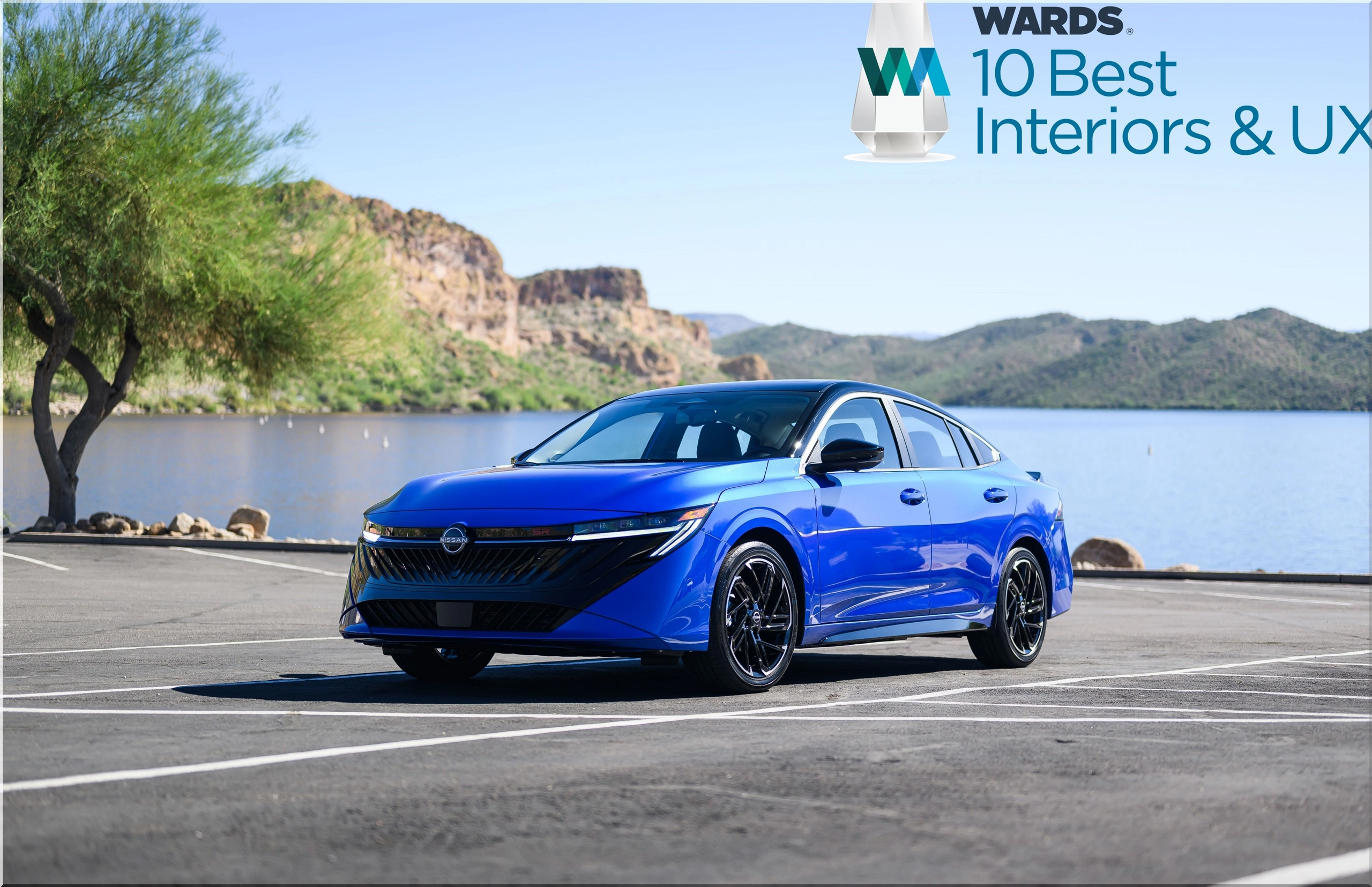
The 2026 Nissan Sentra has earned a place on the 2026 Wards 10 Best Interiors & UX list, and the timing could hardly serve Nissan better. The redesigned compact sedan arrives as affordable cars face higher buyer expectations, tighter competition, and a market that keeps pushing shoppers toward small SUVs.
Nissan did not answer that pressure with theatrical design alone. It gave the Sentra a cabin built around screen clarity, practical storage, usable passenger space, and easier daily operation. That approach gives the all-new 2026 Nissan Sentra a stronger case than its familiar compact-sedan badge might suggest.
The award also points to a larger truth about modern entry-level vehicles. Buyers no longer accept stripped-down cabins simply because the price stays low. They expect large displays, clean smartphone integration, advanced safety tech, and materials that do not punish them for shopping under $30,000.
The new Sentra makes that argument with a standard 12.3-inch center touchscreen, available dual 12.3-inch displays, a 14.3-cubic-foot trunk, available ProPILOT Assist, and a top SL trim that stays below the psychological $30,000 line before options. That combination gives Nissan a compact sedan with real showroom logic.
Why the 2026 Nissan Sentra Interior Earned Industry Attention
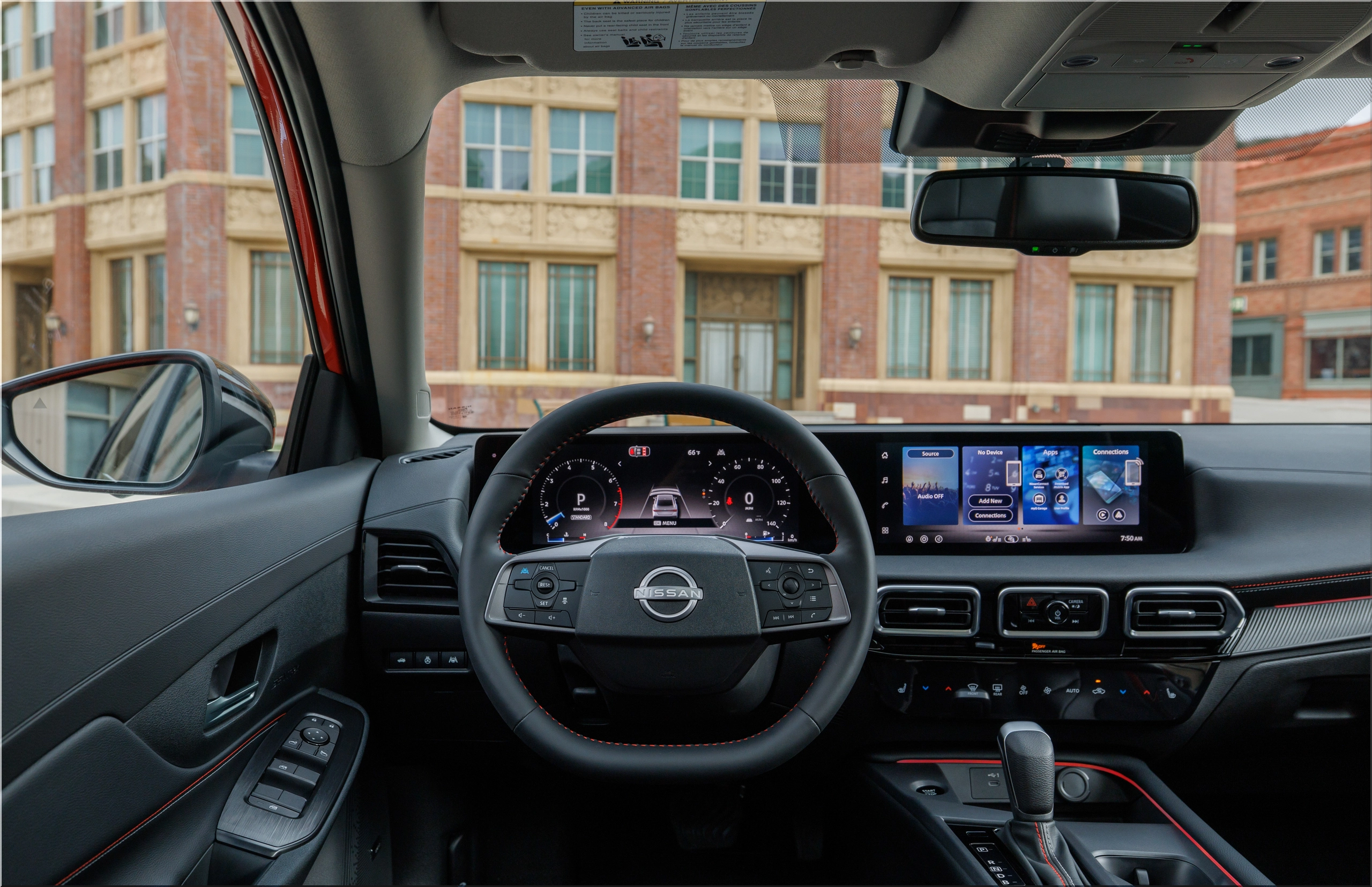
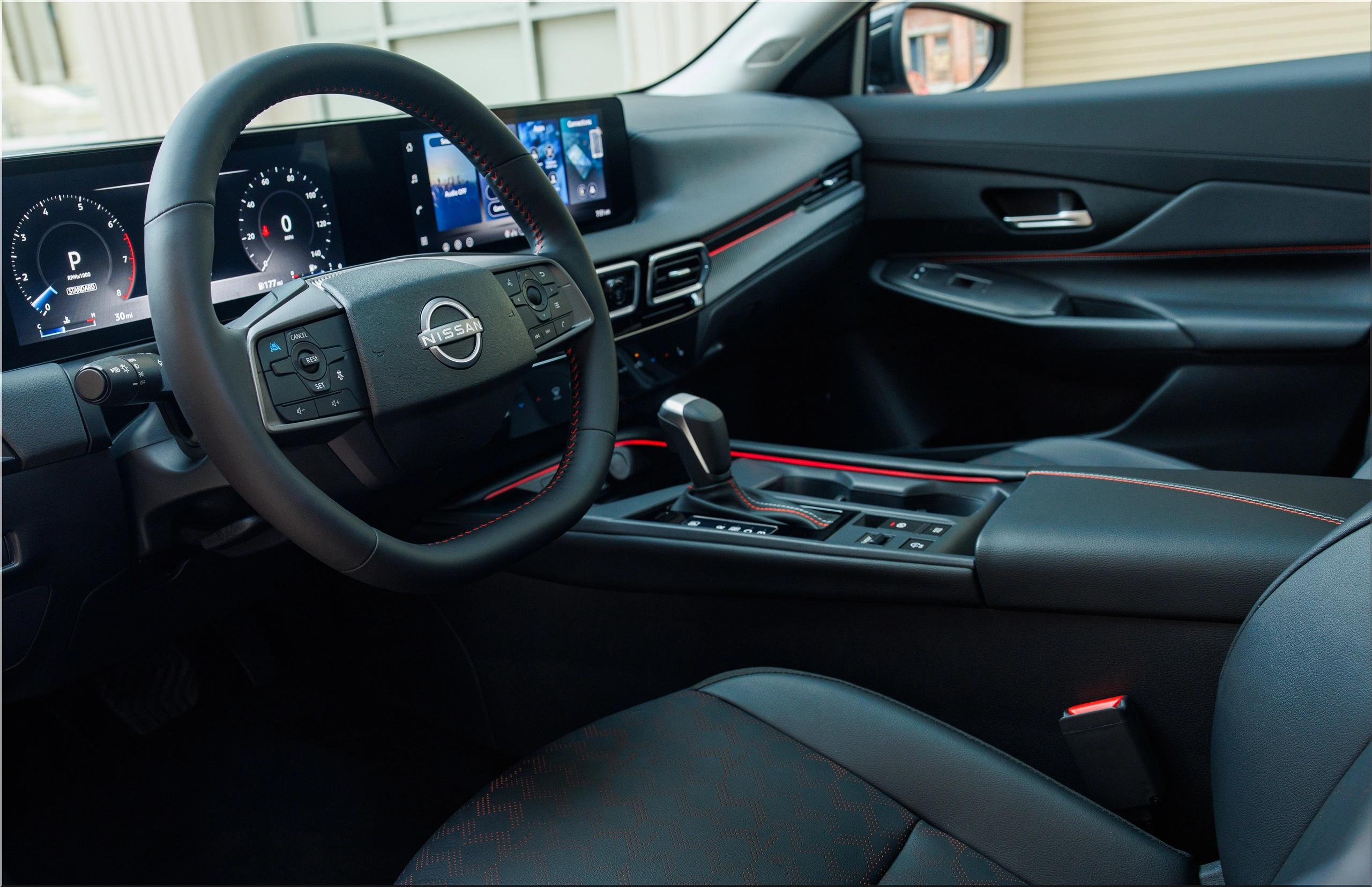
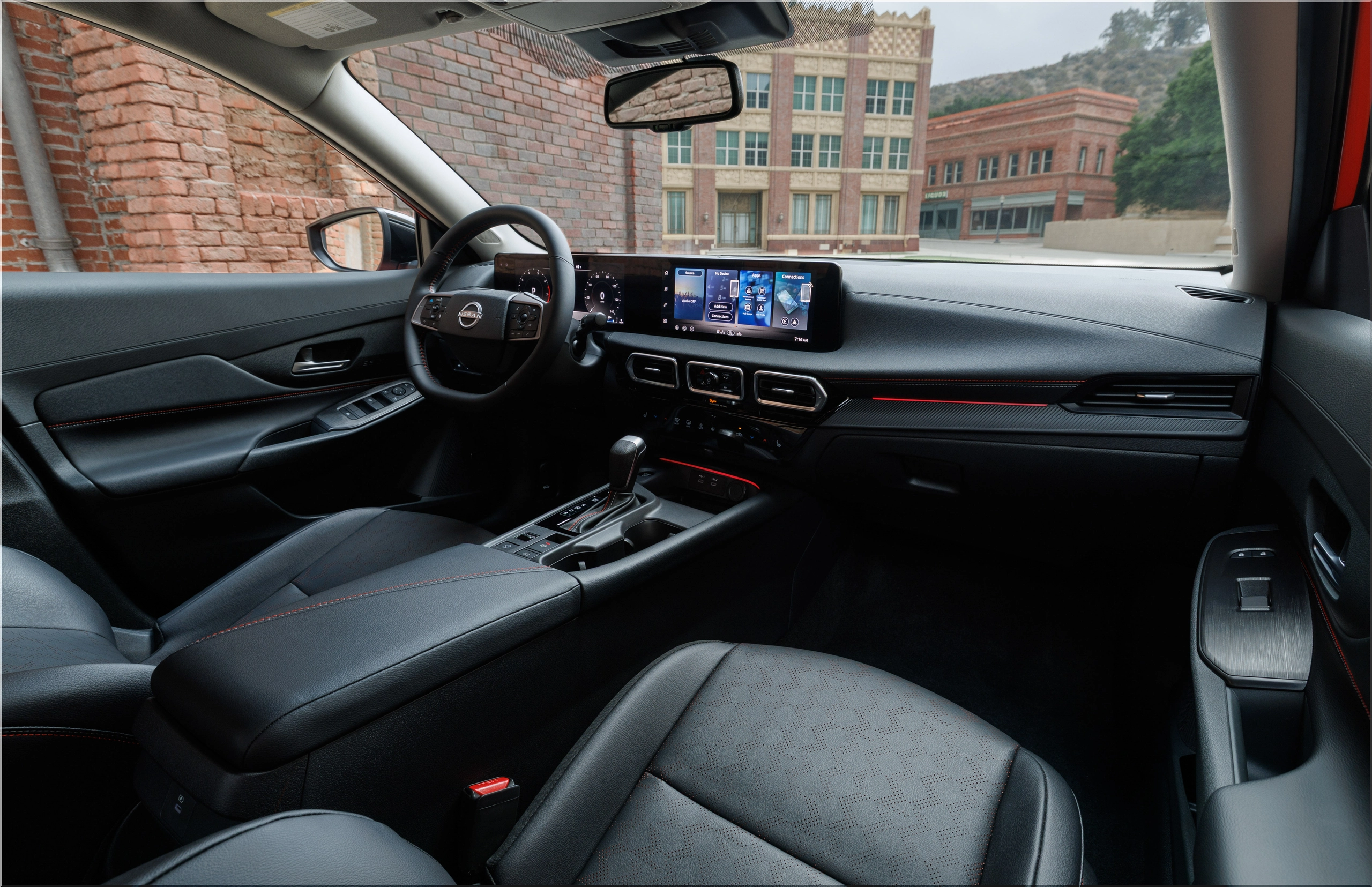
The 2026 Nissan Sentra interior succeeds because it focuses on daily use. The dashboard places information high, keeps the main screen large, and avoids the cluttered look that often weakens compact-car cabins. Drivers get a modern display layout without the learning curve that turns simple tasks into screen hunting.
Every 2026 Sentra includes a 12.3-inch infotainment display. That feature matters because many competitors still use smaller screens on base or lower trims, then reserve the full digital experience for pricier models. Nissan gives every buyer a large central interface from the start.
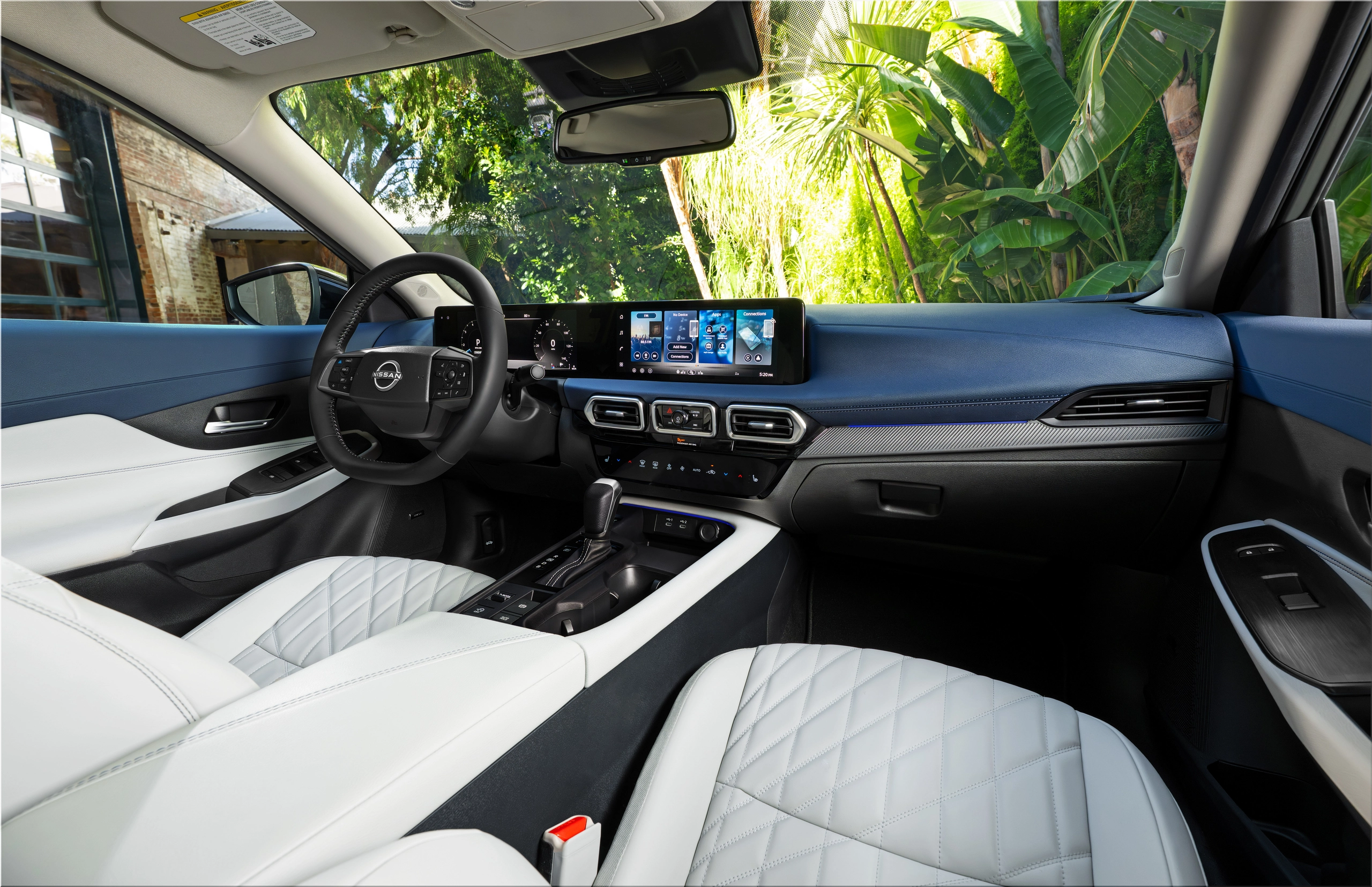
Higher trims add a 12.3-inch digital instrument cluster. Together, the two screens create an available dual 12.3-inch display layout that visually stretches the dashboard and makes the cabin feel wider than the price suggests. The effect works because Nissan uses the screen package as a practical control center rather than decorative tech.
The Wards win also reflects the cabin's physical layout. Nissan keeps frequently used controls within easy reach and supports them with available haptic climate controls. That decision helps drivers adjust temperature and fan settings without digging through deep menus during traffic.
Key 2026 Nissan Sentra Interior and UX Features
Nissan built the new Sentra cabin around a clear set of ownership needs: phone access, visibility, comfort, safety support, and cargo flexibility. The result feels more complete than the previous car, even though the core mission remains affordable transportation.
Important 2026 Sentra UX features include:
- Standard 12.3-inch infotainment touchscreen
- Available 12.3-inch digital instrument cluster
- Available dual 12.3-inch dashboard display layout
- Available wireless Apple CarPlay
- Available wireless Android Auto
- Available wireless phone charging
- Available Wi-Fi hotspot
- Available haptic climate controls
- Available Zero Gravity front seats
- Available heated front seats
- Available heated steering wheel
- Available Bose premium audio system
- Available ProPILOT Assist
- Standard 60/40-split folding rear seat
- Standard 14.3-cubic-foot trunk
2026 Nissan Sentra Specs Show a Cabin-First Strategy
The new Sentra does not pretend to be a sport sedan. Nissan kept the mechanical package simple and placed more visible value inside the cabin. From a product-planning perspective, that choice makes sense for compact-sedan buyers who care about monthly payment, fuel cost, safety, comfort, and screen quality.
The 2026 Nissan Sentra specs center on a 2.0-liter direct-injected four-cylinder engine. It produces 149 horsepower and 146 lb-ft of torque, routed to the front wheels through a continuously variable transmission. Those figures place the car in the mainstream compact class, with efficiency and smoothness taking priority over straight-line urgency.
The numbers frame the car correctly. A 106.5-inch wheelbase gives the cabin a stable packaging base, while the 183.3-inch length leaves room for a useful trunk without making the car difficult to park. The 71.5-inch width helps front shoulder room, while the 57.1-inch height keeps the roofline low enough for sedan proportions.
Interior Space Gives the Sentra Real Small-Car Utility
The strongest Sentra argument may come from its measurements. Compact sedans often lose buyers because people assume they feel cramped. The 2026 Sentra interior dimensions help Nissan push back against that perception.
Front legroom measures 44.0 inches. That gives taller drivers and passengers enough stretch-out space for commuting and road trips. Rear legroom measures 34.8 inches, which suits adults on normal trips and works well for children, teens, and ride-share passengers.
The UX Story Starts With the Screens
The 2026 Sentra technology package gives Nissan a clean talking point: every trim starts with a 12.3-inch center screen. That decision helps the base model avoid the low-rent feeling that can undercut entry-level cars. It also lets Nissan promote a consistent digital identity across the range.
The available 12.3-inch driver display adds another layer. A digital cluster can present speed, safety alerts, navigation guidance, media data, and vehicle information with cleaner graphics than a traditional gauge pack. It also helps the cabin feel current during the full ownership cycle, not only on delivery day.
Materials, Seats, and Sound Add Perceived Value
A compact sedan can lose a buyer the second the door closes. Cheap plastics, thin seats, or weak audio can make a low price feel like a compromise. Nissan addressed those pressure points with better screen hardware, richer trim choices, and available comfort features that lift the cabin experience.
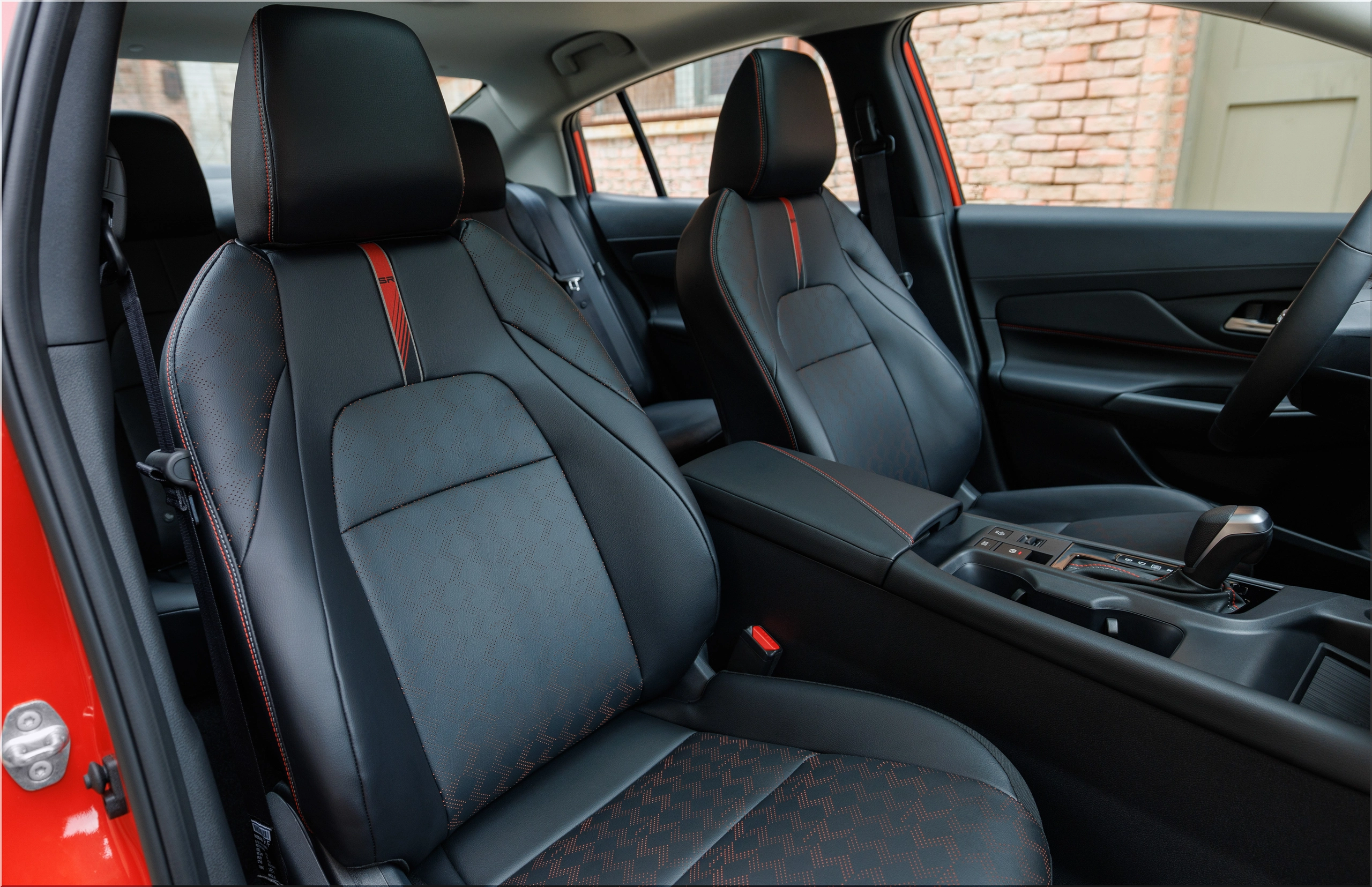
The available Zero Gravity seats play a major role. Nissan designed this seating concept to support the body in a more natural posture, reducing pressure points during longer drives. In a compact sedan, seat comfort can carry more value than an extra 15 horsepower because drivers feel it every mile.
Trim Levels and Pricing Make the Sentra Easy to Position
The 2026 Nissan Sentra price starts at $23,645 including destination. That figure gives Nissan a strong entry point at a time when many new vehicles now start far above traditional compact-car territory. The range tops out at $29,235 for the SL, which keeps the most equipped version under $30,000 before options.
| Trim | Starting Price | Core Buyer Logic |
|---|---|---|
| S | $23,645 | Lowest price with the standard 12.3-inch touchscreen |
| SV | $24,415 | Best balance of price, tech, and daily comfort |
| SR | $26,245 | Sportier design with stronger visual character |
| SL | $29,235 | Highest comfort, audio, and driver-assist content |
The S trim carries the value message because it includes the large center display. The SV trim makes the broadest sense for many shoppers because it adds more digital-cabin appeal without a major price jump. The SR trim attracts buyers who want sharper design cues and a richer appearance package.
Safety Tech Strengthens the UX Case
Driver-assistance systems now shape the way a cabin feels. A car that reduces stress in traffic can feel more premium than one with nicer trim but weaker support systems. The 2026 Nissan Sentra safety technology package gives the sedan important credibility here.
Available ProPILOT Assist helps with steering assistance and speed control under the right conditions. That matters for highway commuters who spend long periods following traffic. When the system works with clear lane markings and proper driver supervision, it can reduce fatigue and make routine trips less demanding.
Fuel Economy Keeps the Value Equation Intact
The Sentra's powertrain strategy favors cost control. Nissan's 2.0-liter engine and continuously variable transmission deliver up to 30 mpg city and 38 mpg highway. Those numbers keep the car competitive for commuters, students, young families, and budget-aware buyers who want predictable fuel bills.
How the Sentra Fits Against Civic, Corolla, Elantra, and Mazda 3
The compact-sedan class still has serious players. The Honda Civic carries strong brand equity and driver appeal. The Toyota Corolla leans on long-term trust and hybrid availability. The Hyundai Elantra brings expressive design and strong feature packaging. The Mazda 3 aims for a more premium driving feel.
Nissan attacks a different opening. The 2026 Sentra pushes cabin value, screen size, safety access, trunk space, and pricing discipline. That strategy gives shoppers a clear reason to consider it, even in a segment with strong nameplates.
The Wards award helps because it validates the exact area where Nissan made its biggest visible gain. Buyers can see the screens, touch the seats, test the controls, and compare the trunk within minutes. The Sentra does not need a long explanation when the cabin does the selling.
What Buyers Should Do Next
Start with your daily routine. If you want the lowest payment and still want a modern screen, the S trim deserves attention. If you want the strongest mix of tech and price, the SV trim should sit at the top of your list.
Use this trim plan:
- S: Best for budget-first buyers who still want a large touchscreen.
- SV: Best for shoppers seeking the strongest 2026 Sentra value.
- SR: Best for buyers who want a sharper look and sportier cabin details.
- SL: Best for shoppers who want the most complete Sentra interior and UX package.
The all-new 2026 Nissan Sentra earns its Wards honor by solving the right problems. It gives compact-sedan buyers a larger screen, a cleaner cockpit, useful space, modern driver assistance, and an attainable price. That combination turns the Sentra from a sensible purchase into a far more persuasive one.

- Log in to post comments