
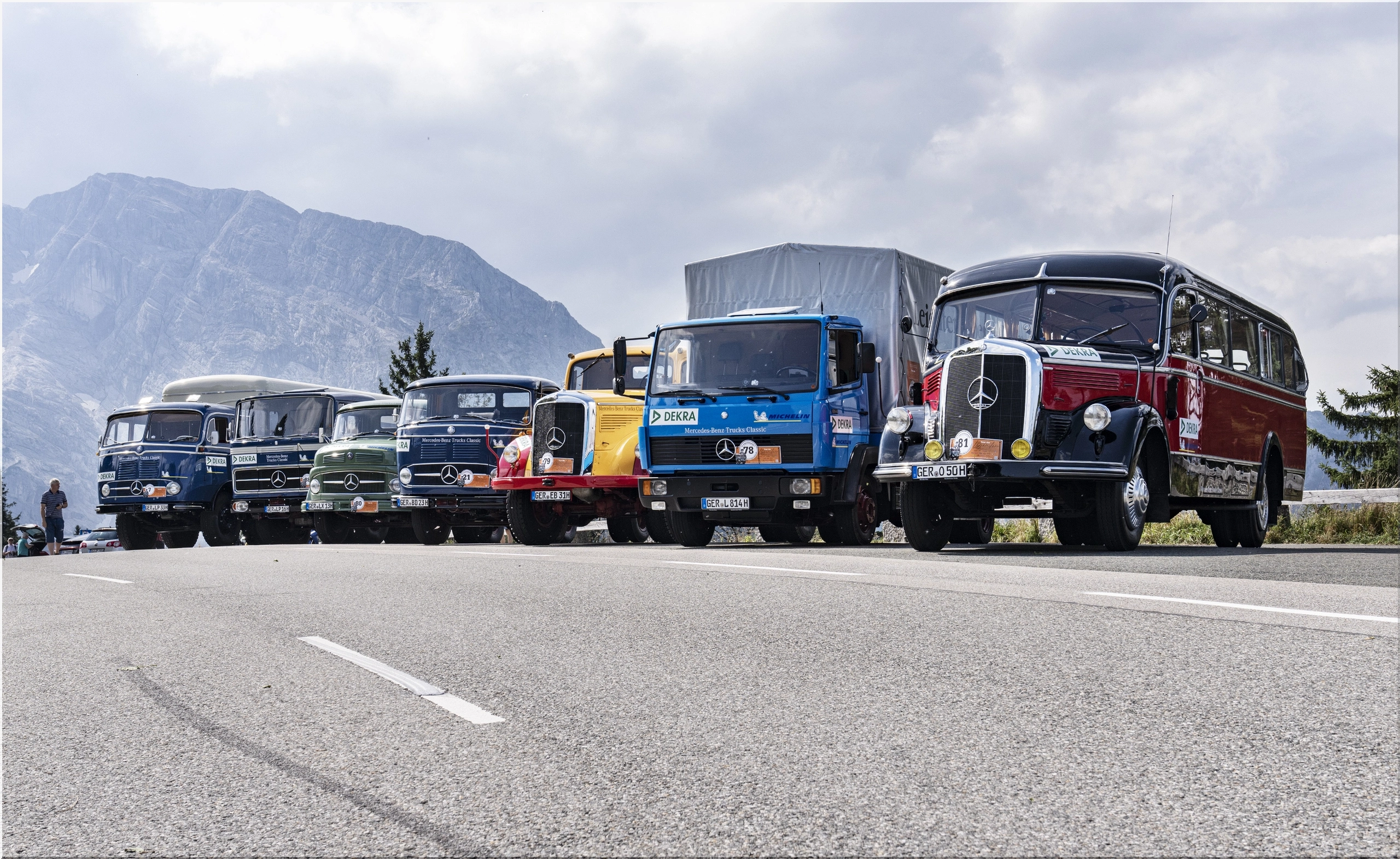
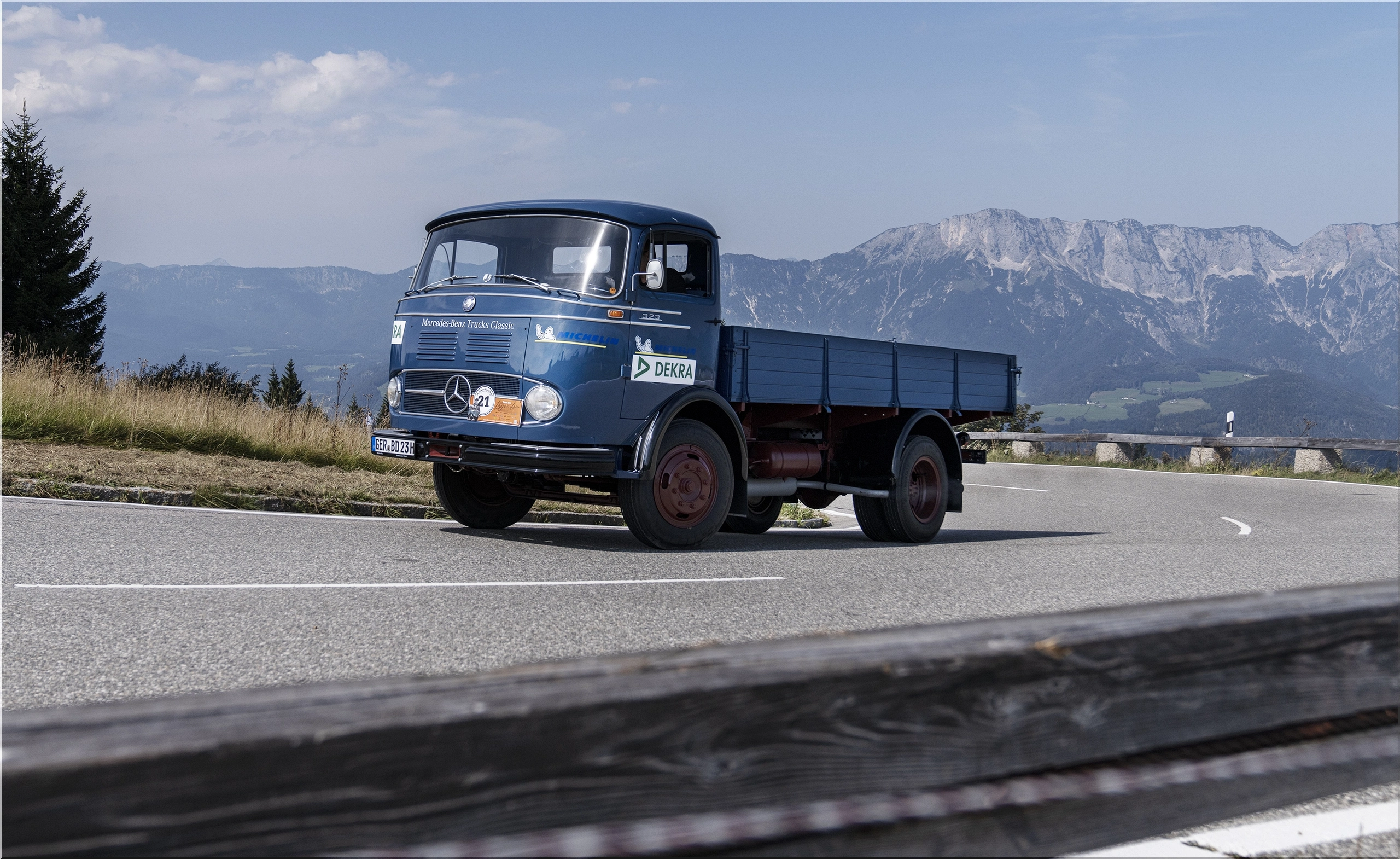
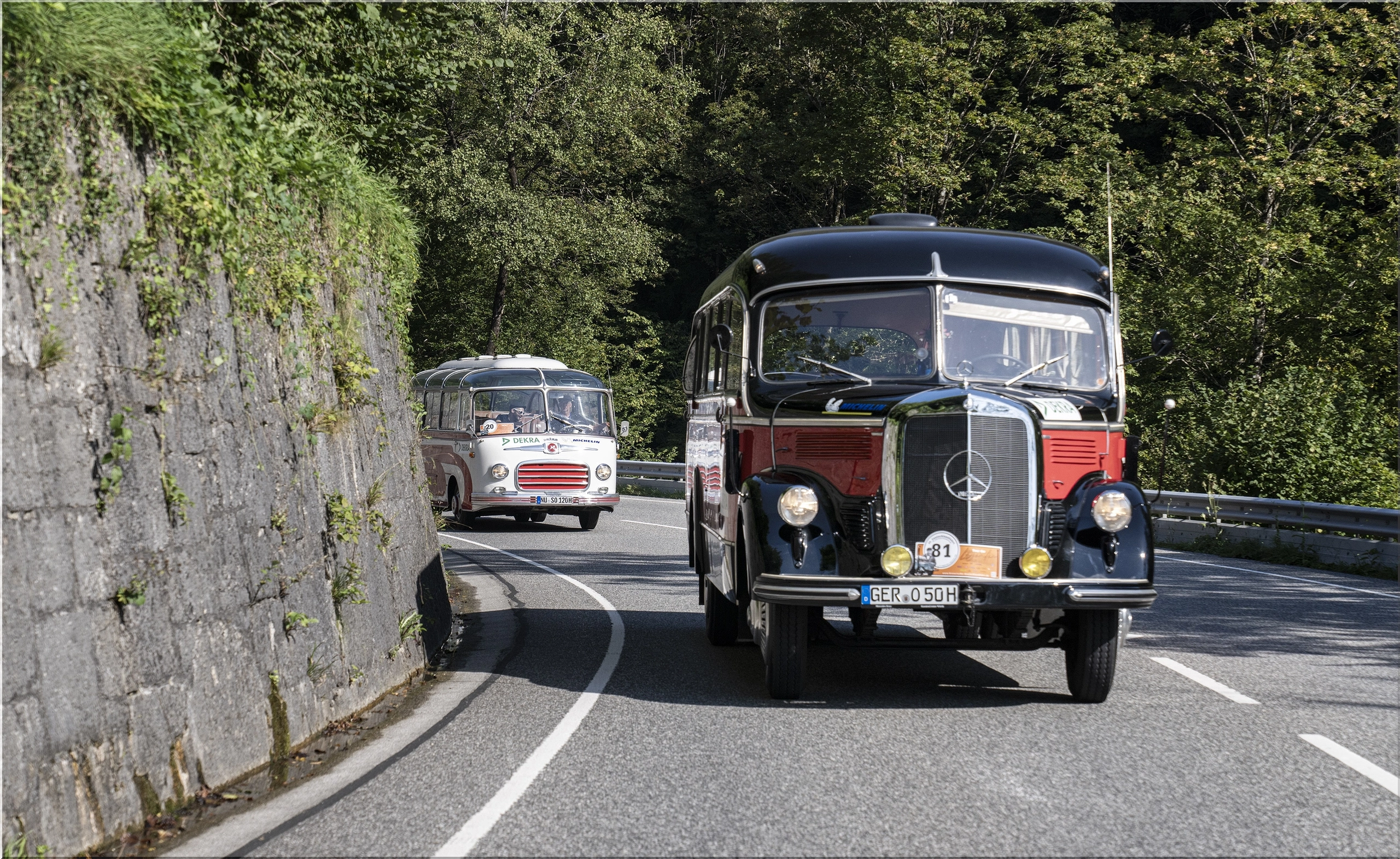
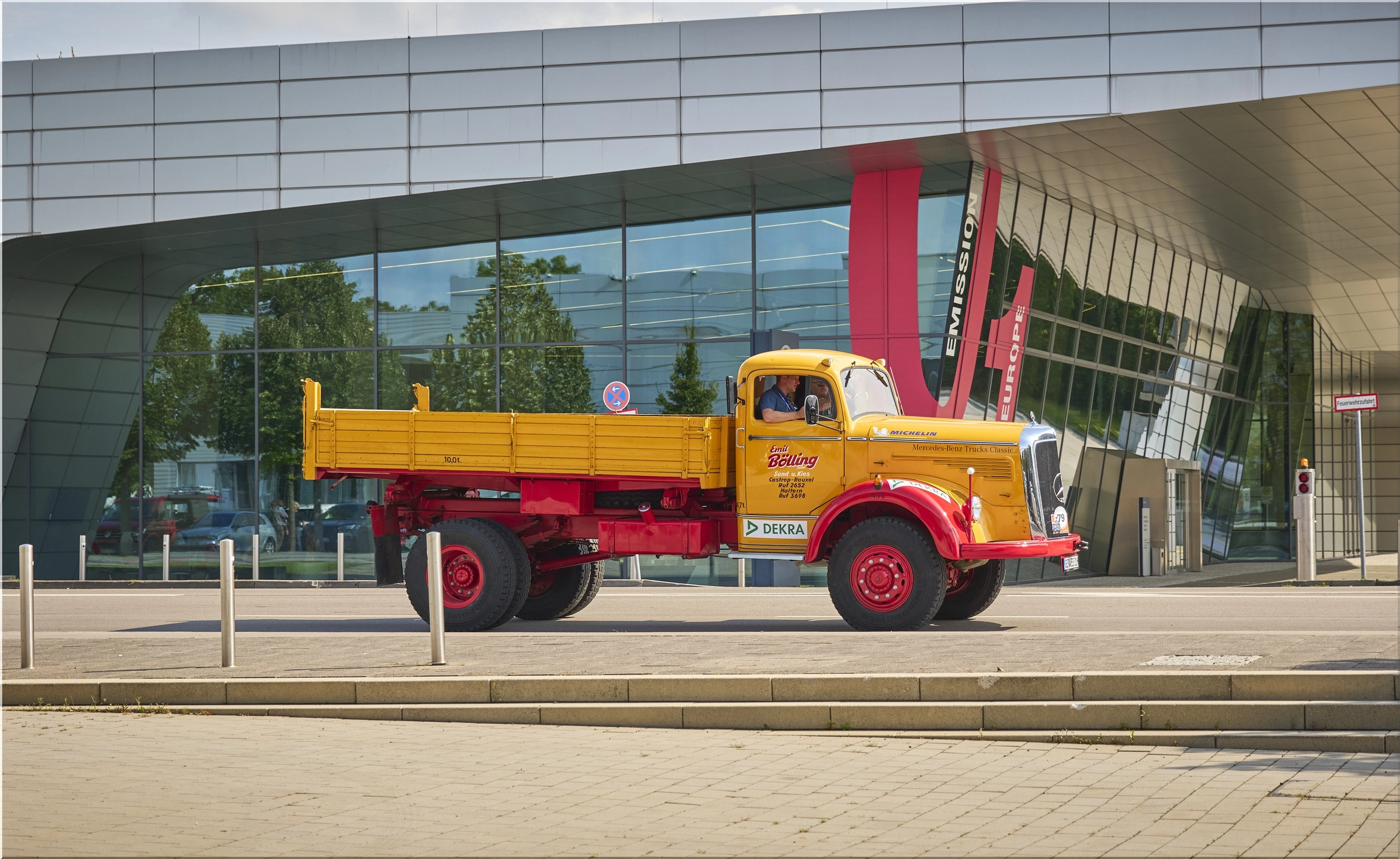
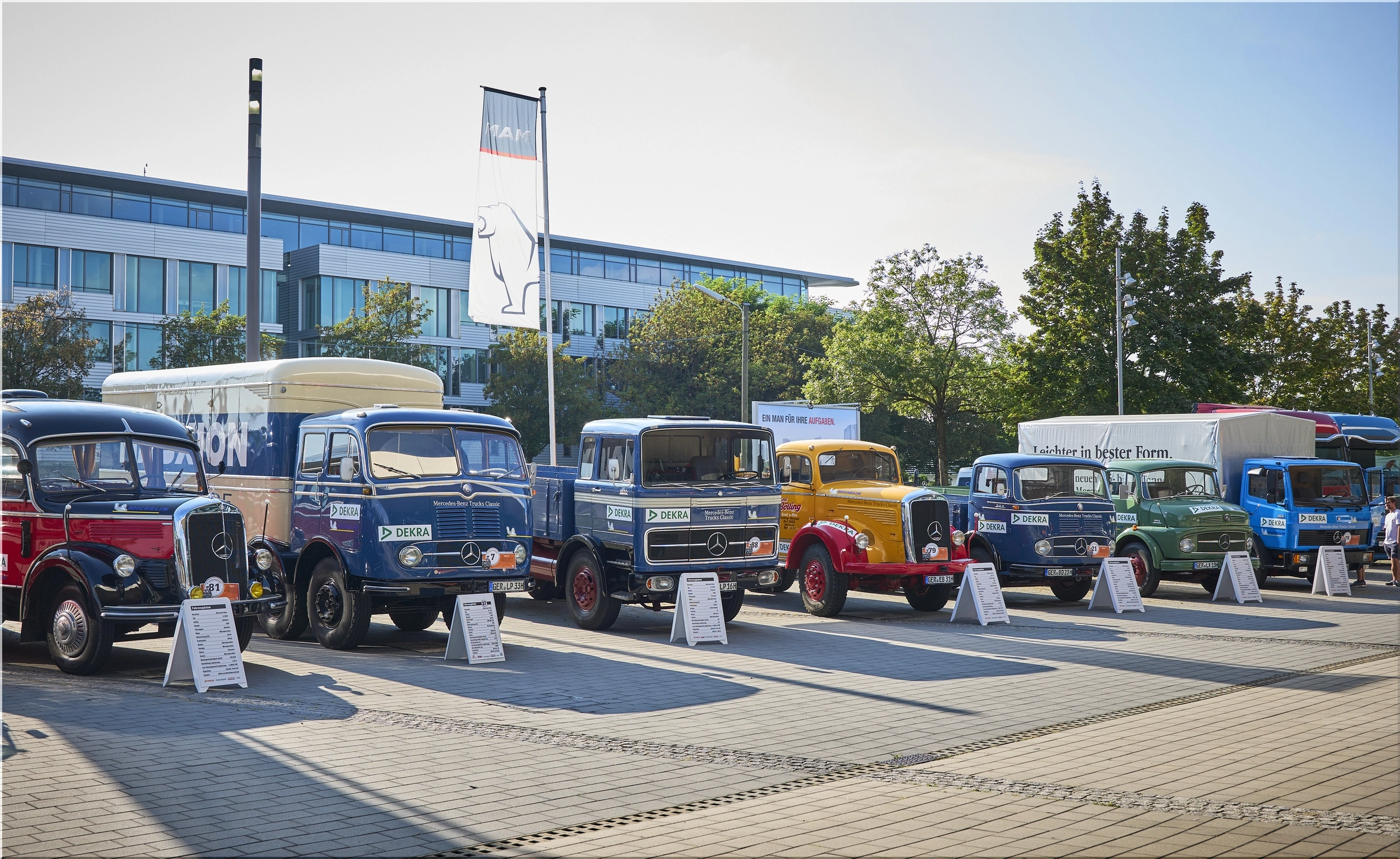
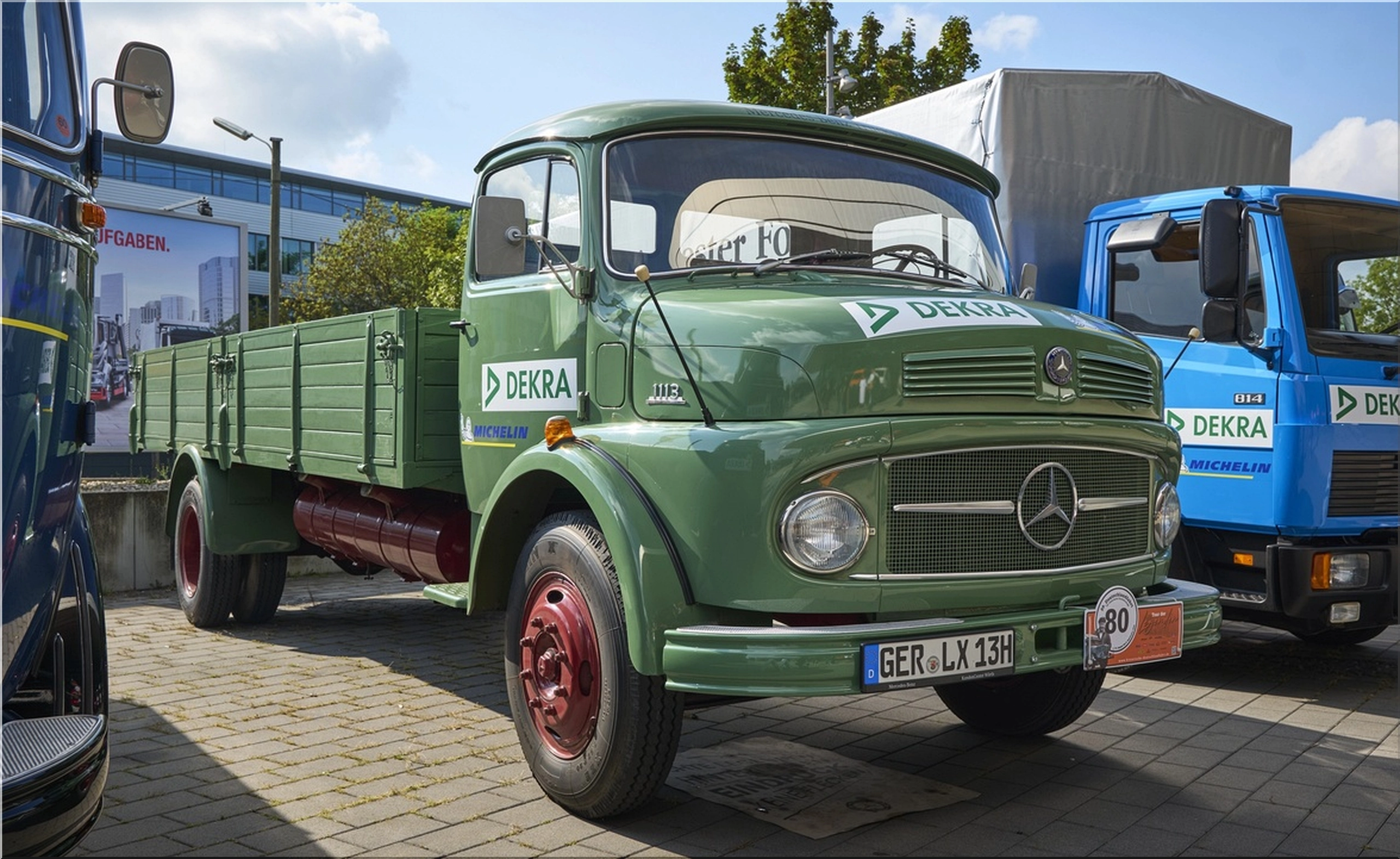
In a spectacle of engineering heritage, Mercedes-Benz and Setra have brought together eight iconic trucks and buses for a memorable tour across Germany. The 20th Germany Tour for Historic Commercial Vehicles highlights a unique blend of history, craftsmanship, and technology, celebrating the legacy of some of the most recognizable commercial vehicles in the world.
This anniversary tour isn’t just about looking back—it’s a testament to the endurance and evolution of commercial transportation. From meticulously restored classics to mechanical legends, the event pays tribute to the giants that shaped the transportation industry.
The Icons of the Road: A Fleet Like No Other
Eight historic vehicles, each with a distinct story and legacy, are the stars of the show. These Mercedes-Benz and Setra vehicles have revolutionized transportation across decades, setting standards for reliability, performance, and design. Here’s a breakdown of these legendary vehicles:
1. Mercedes-Benz L 319
The Mercedes-Benz L 319, introduced in 1955, was one of the first light commercial vehicles produced by the company. Its compact design made it ideal for urban deliveries. With a maximum payload of 1.75 tons, this truck became popular in industries needing fast, efficient transportation.
2. Mercedes-Benz LP 608
With its boxy design and straightforward mechanical engineering, the LP 608 served as a reliable workhorse throughout the 1960s and 1970s. Known for its durability and fuel efficiency, this truck became synonymous with inner-city deliveries and short-distance freight hauling.
3. Setra S 6
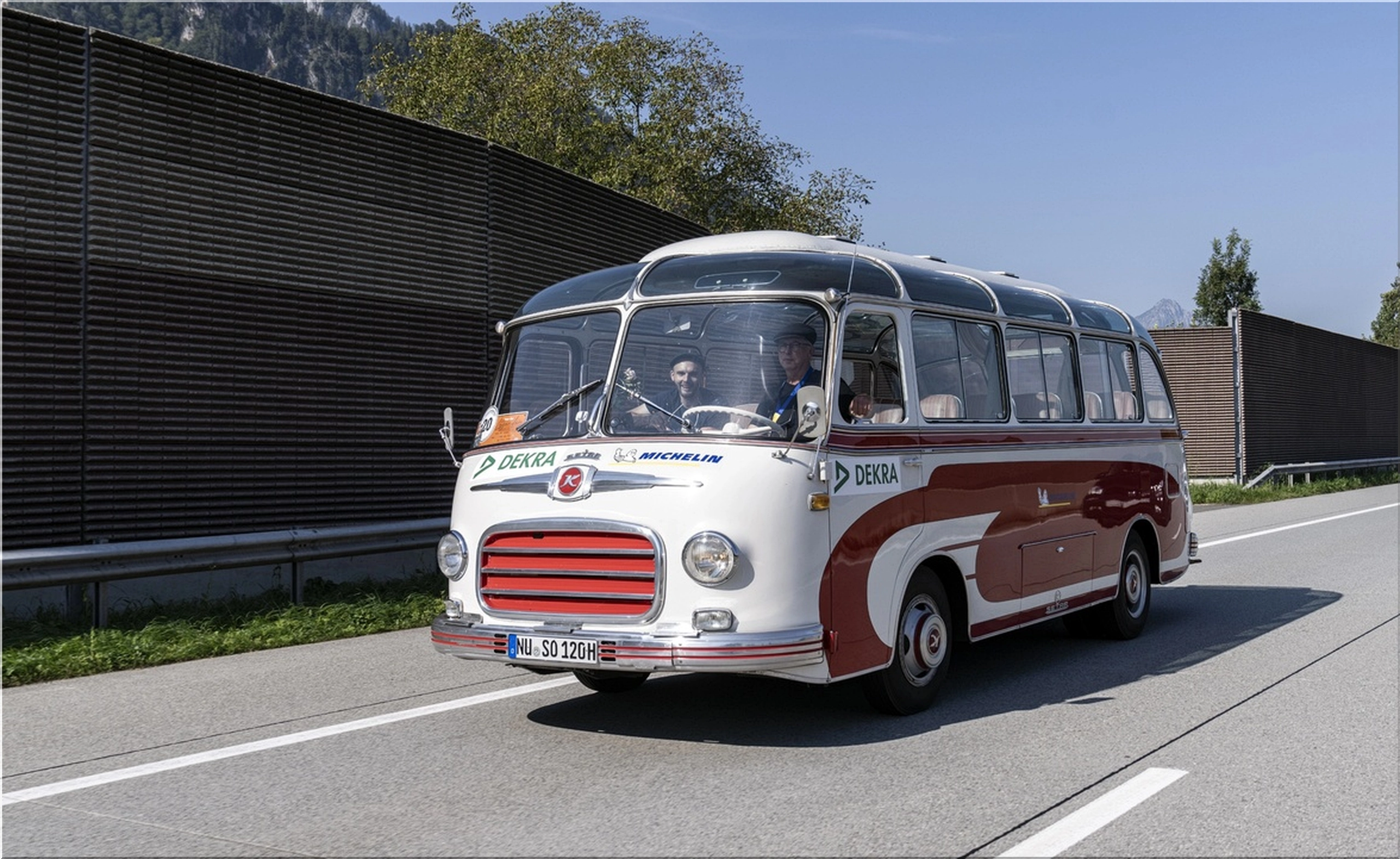
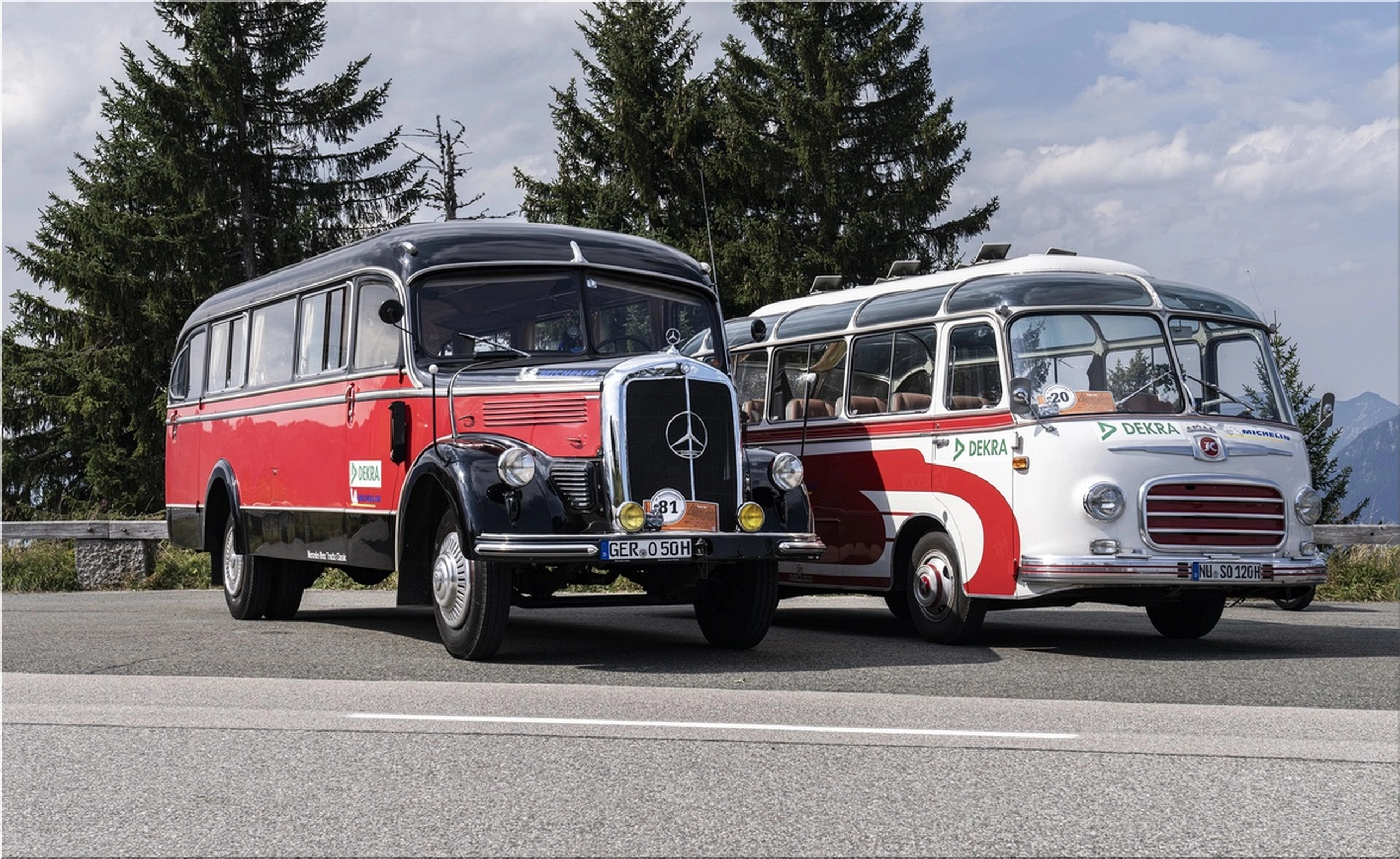
The Setra S 6 is a legendary bus that embodies comfort and style. Introduced in 1955, it was one of the first buses to feature a self-supporting body—a hallmark of Setra’s innovation. Seating up to 25 passengers, it was ideal for mid-size group travel and became a favorite for touring services.
4. Mercedes-Benz O 321 H
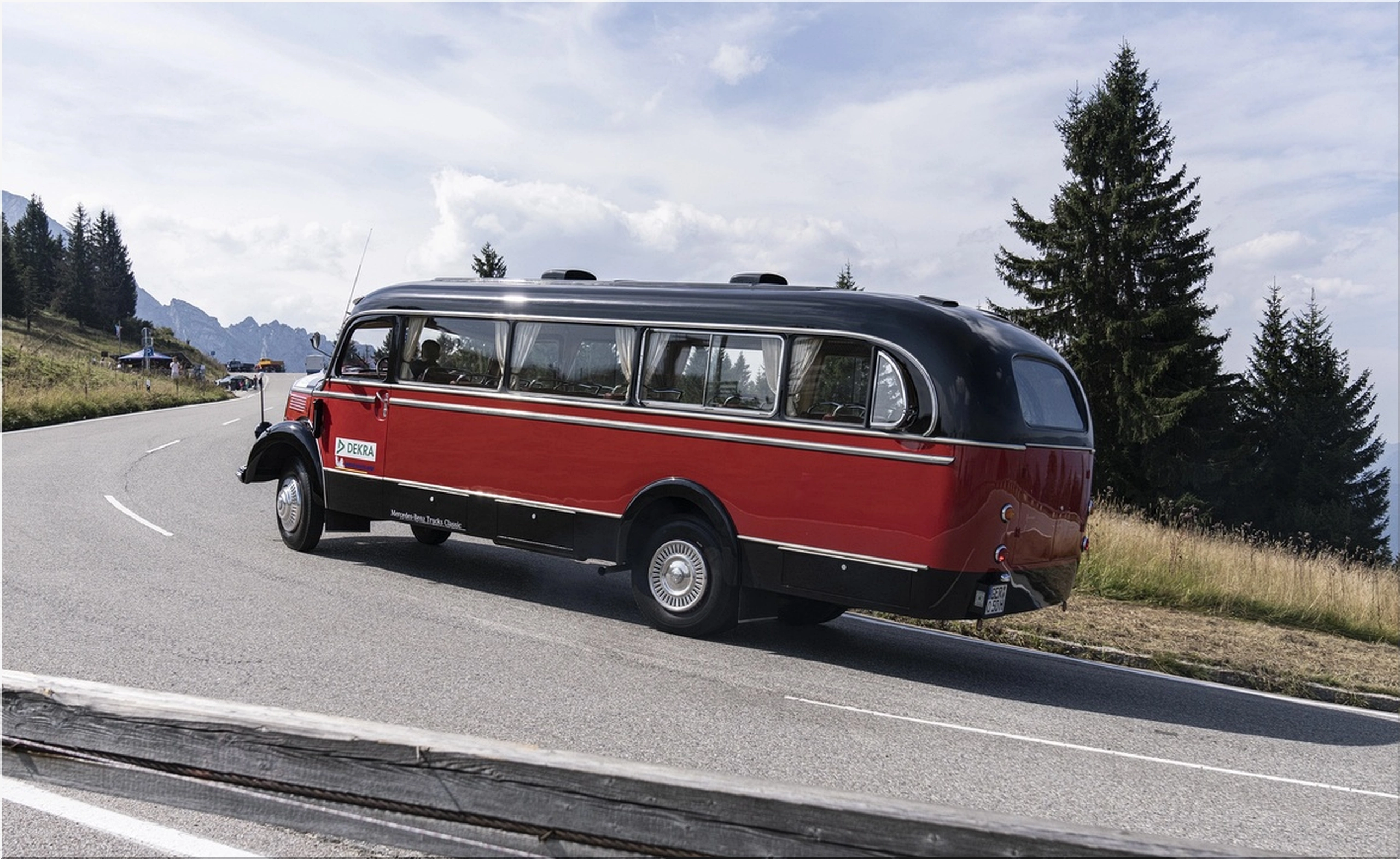
One of the first-ever intercity buses, the Mercedes-Benz O 321 H offered unmatched luxury in its time. Designed to transport passengers comfortably over long distances, this vehicle features reclining seats, ample luggage space, and climate control innovations that were far ahead of their time.
5. Mercedes-Benz L 911
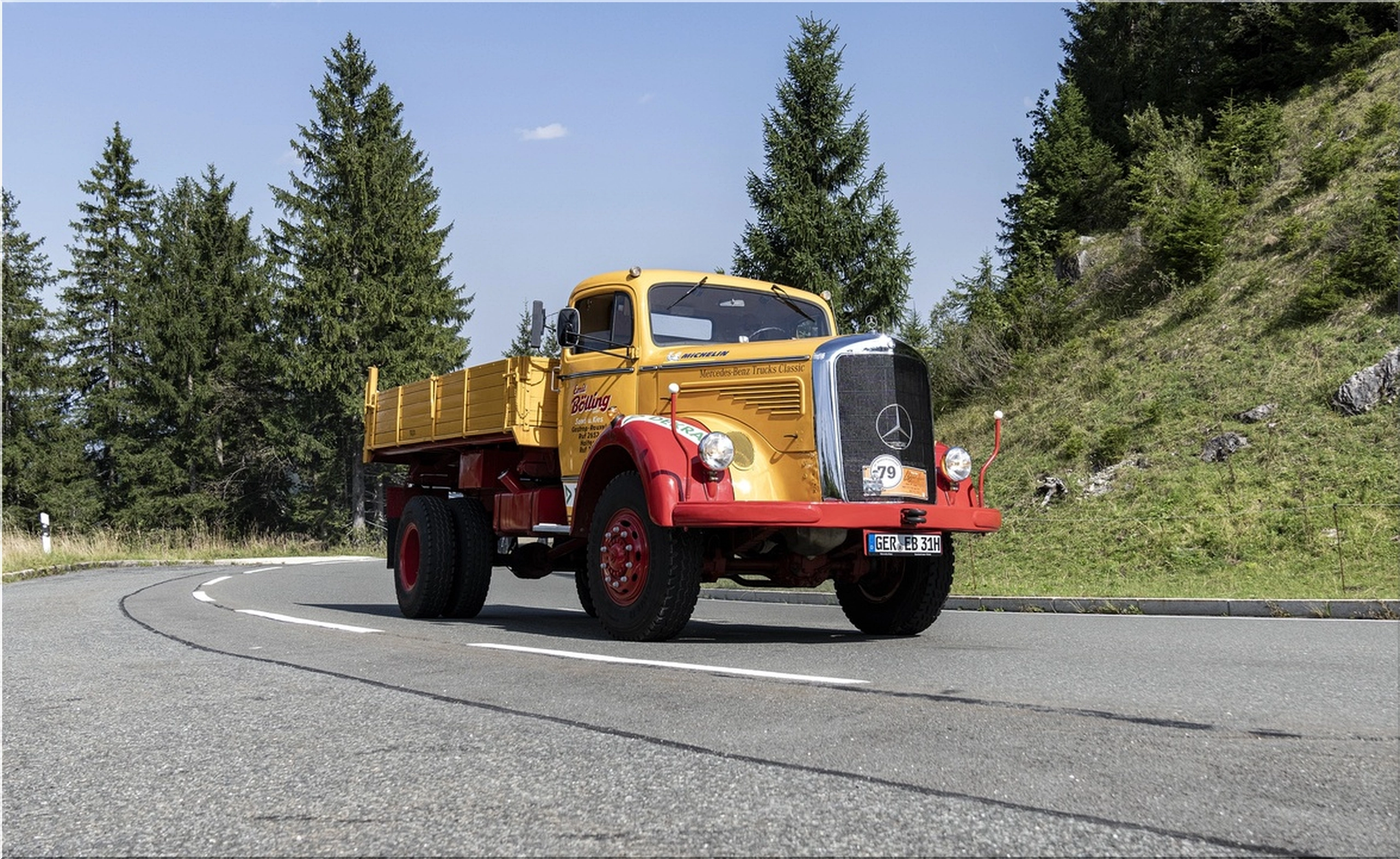
Known for its rugged durability, the Mercedes-Benz L 911 served both civilian and military applications. Its powerful engine and all-terrain capabilities made it indispensable in harsh conditions. This model is celebrated for its adaptability and continued use in regions with challenging road infrastructure.
6. Setra S 80
The Setra S 80 introduced the concept of modular bus design, making it easier to assemble and maintain. Its customizable features—ranging from seating arrangements to engine configurations—set a new standard for flexibility and comfort in bus manufacturing.
7. Mercedes-Benz NG Series (New Generation)
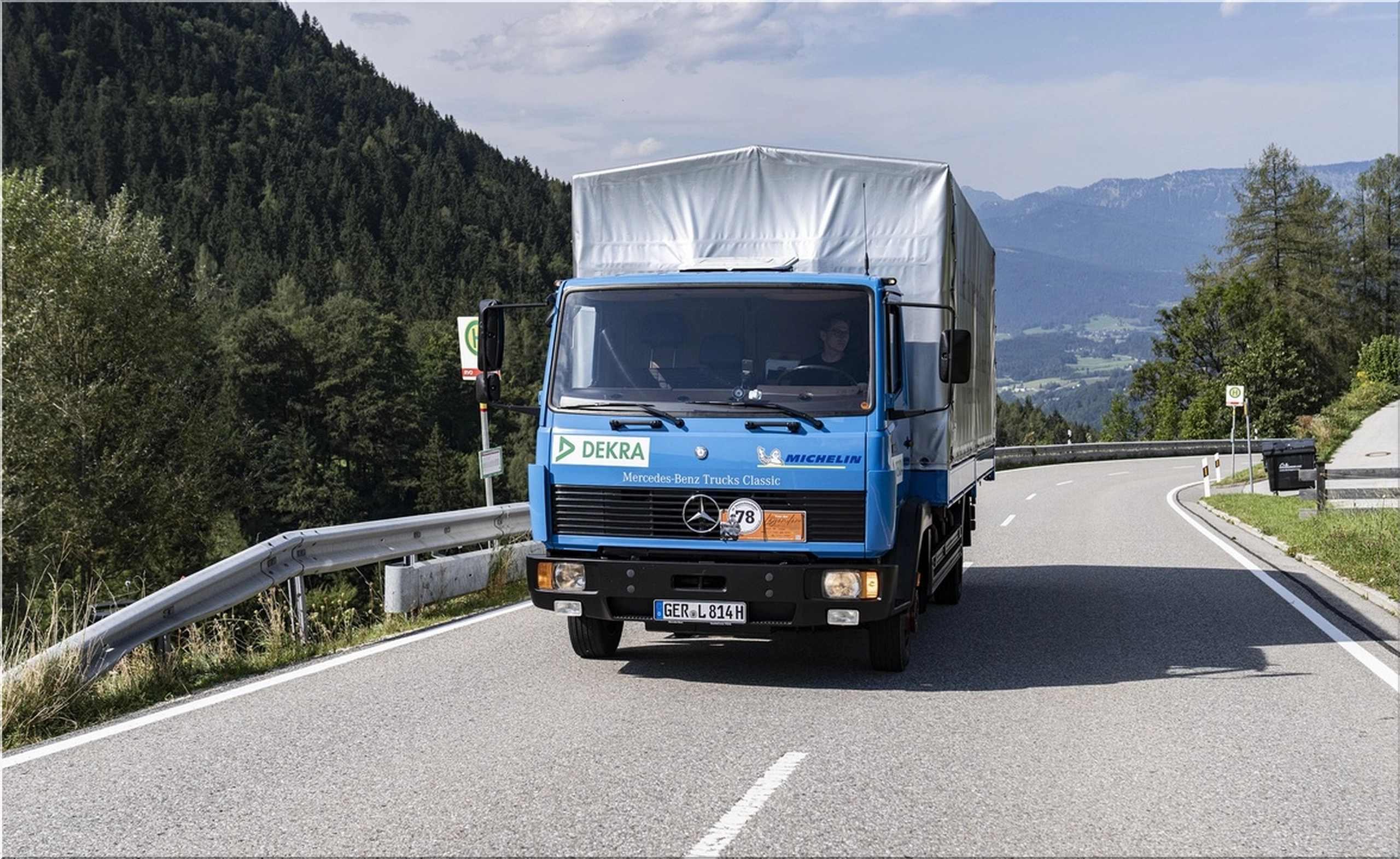
Launched in 1973, the Mercedes-Benz NG Series represented a leap in commercial truck design. These vehicles incorporated advanced safety features and were designed with a focus on driver comfort, a concept relatively new at the time. The NG Series trucks were designed to be versatile, handling everything from construction materials to long-distance freight.
8. Setra S 140 ES
A classic from the 1970s, the Setra S 140 ES set the stage for luxury long-distance travel. Equipped with advanced suspension systems and high-end interior materials, this model focused on providing a smooth ride and exceptional passenger comfort, making it a game-changer in the coach industry.
Reviving History: The Importance of the Anniversary Tour
The 20th Germany Tour for Historic Commercial Vehicles offers more than just a showcase of restored classics—it’s a living tribute to the evolution of the commercial vehicle industry. It connects enthusiasts, mechanics, and historians, offering a firsthand look at the craftsmanship that made these vehicles stand out.
Highlights of the Tour:
- Historical displays showcasing the evolution of each vehicle, detailing innovations, and contributions to modern designs.
- Driver interactions where attendees can discuss the unique challenges and stories behind restoring these legends.
- On-road showcases, allowing visitors to see these vehicles in action and appreciate their continued performance and reliability.
The Legacy of Mercedes-Benz and Setra in the Commercial Vehicle Industry
Both Mercedes-Benz and Setra have left indelible marks on the world of commercial vehicles. From buses to trucks, their innovations shaped the standards for reliability, durability, and efficiency.
Mercedes-Benz's Impact
Mercedes-Benz has been a dominant force in the truck and bus sectors since the early 1900s. Known for integrating cutting-edge technology with practical designs, the company’s vehicles have set benchmarks in areas like safety, driver comfort, and fuel efficiency.
Some key contributions include:
- Anti-lock braking systems (ABS), which were first introduced in commercial vehicles by Mercedes-Benz, improving overall safety.
- Diesel engine innovations, leading to more fuel-efficient and powerful engines.
- The implementation of aerodynamic designs that enhanced both performance and fuel consumption.
Setra’s Role in Shaping Modern Buses
As a pioneer in self-supporting bodywork, Setra revolutionized bus manufacturing. This design reduced vehicle weight, which improved both fuel economy and ride comfort. Setra's focus has always been on passenger experience, pushing the envelope with innovations like:
- Air suspension systems for smoother rides.
- Modular interiors that allowed custom configurations.
- Advanced climate control systems, making buses more comfortable for long-distance travel.
Why These Vehicles Still Matter Today
While modern vehicles have come a long way in terms of technology and efficiency, these classics remind us of the foundational engineering principles that have stood the test of time. The craftsmanship and innovation behind these vehicles laid the groundwork for today's trucks and buses.
- Simplicity and reliability: Unlike modern vehicles that rely heavily on electronics, these historic models are praised for their mechanical reliability and ease of maintenance.
- Innovation: The designs from Mercedes-Benz and Setra still influence modern commercial vehicles, from the integration of advanced safety features to the focus on driver and passenger comfort.
- Nostalgia and preservation: Enthusiasts continue to preserve and restore these vehicles, not just for their historical value but because they represent a bygone era of engineering ingenuity.
Looking Ahead: Preserving the Legacy
As we celebrate this anniversary tour, it's important to recognize the ongoing efforts of restoration specialists and vehicle enthusiasts who are preserving these pieces of history. The legacy of Mercedes-Benz and Setra trucks and buses is more than just historical documentation—it’s a living reminder of the innovations that shaped modern transportation.
The 20th Germany Tour for Historic Commercial Vehicles serves as a powerful platform to inspire future generations, ensuring that the lessons and innovations from the past continue to inform the commercial vehicle industry. As technology evolves, the foundation laid by these vehicles will always remain a significant part of the transportation story.
In conclusion, the anniversary tour is a spectacular tribute to the vehicles that defined an era of commercial transportation. Through careful restoration and passionate storytelling, the legacy of Mercedes-Benz and Setra continues to drive innovation and fascination in the commercial vehicle world.

- Log in to post comments